English

Mobile:+86-311-8081-2683
Email:info@ydcastings.com
English
Feb . 05, 2025 04:48
Back to list
Pump Body
Navigating the intricate world of hardware components can often feel overwhelming, especially when you're striving to find the perfect 15 mm end cap. Whether you're a seasoned industry professional or a DIY enthusiast, understanding the nuances of this crucial product can significantly influence the success of your projects, ensuring both functionality and safety.
A personalized approach to purchasing a 15 mm end cap involves more than mere compliance with industry standards. Customers are encouraged to engage with reviews and testimonials to gauge real-world performance and satisfaction levels. Authentic feedback often brings to light practical insights that technical specifications alone may not unveil. To truly harness the potential of a 15 mm end cap, one must consider the installation process. Expertise in proper installation ensures that the cap functions as intended, preventing any inadvertent leaks or structural vulnerabilities. Employing professional installers or thoroughly studying installation guides can significantly impact the efficacy and longevity of the end cap in its application. Moreover, maintaining and inspecting the installed end cap at regular intervals is a practice endorsed by experts to preempt any potential failures. This is especially critical in systems where pressure fluctuation is common, and the end cap is subjected to variable stresses. In conclusion, the journey to find and utilize the ideal 15 mm end cap is layered with considerations that span material choice, compliance to standards, installation expertise, and maintenance practices. Leveraging this comprehensive approach ensures that the chosen end cap not only meets but exceeds functional expectations, thus serving as a hallmark of quality and reliability in any engineering or construction endeavor.
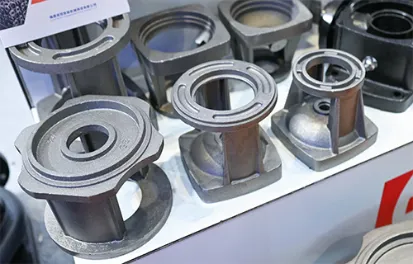
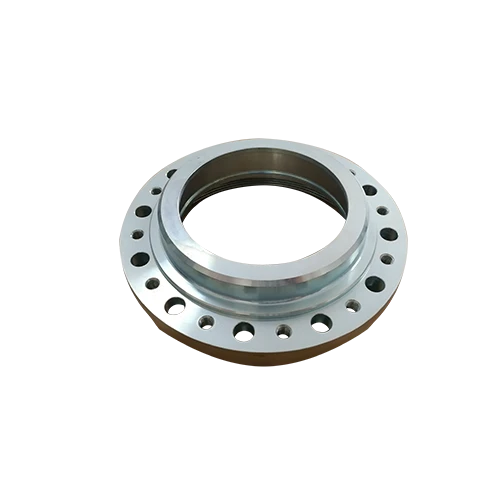
A personalized approach to purchasing a 15 mm end cap involves more than mere compliance with industry standards. Customers are encouraged to engage with reviews and testimonials to gauge real-world performance and satisfaction levels. Authentic feedback often brings to light practical insights that technical specifications alone may not unveil. To truly harness the potential of a 15 mm end cap, one must consider the installation process. Expertise in proper installation ensures that the cap functions as intended, preventing any inadvertent leaks or structural vulnerabilities. Employing professional installers or thoroughly studying installation guides can significantly impact the efficacy and longevity of the end cap in its application. Moreover, maintaining and inspecting the installed end cap at regular intervals is a practice endorsed by experts to preempt any potential failures. This is especially critical in systems where pressure fluctuation is common, and the end cap is subjected to variable stresses. In conclusion, the journey to find and utilize the ideal 15 mm end cap is layered with considerations that span material choice, compliance to standards, installation expertise, and maintenance practices. Leveraging this comprehensive approach ensures that the chosen end cap not only meets but exceeds functional expectations, thus serving as a hallmark of quality and reliability in any engineering or construction endeavor.
Next:
Latest news
-
Choosing an Engine Storage Crate Cover for Material and EnvironmentNewsNov.23,2026
-
Cylinder Head Chamber Buyers: Check the Casting Specification FirstNewsNov.17,2026
-
How Impeller Casting Manufacturers Match Material, Process and EquipmentNewsNov.15,2026
-
Valve body vs. intake air chamber: Which casting fits your assembly?NewsNov.02,2026
-
Air Intake Chamber FAQ: Specifications, Ordering and Support QuestionsNewsOct.28,2026
-
Motorcycle Accessories FAQ: Specifications, Ordering and Support QuestionsNewsOct.24,2026
Related PRODUCTS










