English

Mobile:+86-311-8081-2683
Email:info@ydcastings.com
English
15mm Compression Cap End for Plumbing Applications and Fittings Solutions
Understanding the 15mm Compression Cap End A Comprehensive Overview
In the world of plumbing and pipe fittings, the 15mm compression cap end plays a crucial role in creating secure and reliable connections. This component is essential for both professionals and DIY enthusiasts who seek to maintain or install piping systems. This article explores the features, benefits, applications, and installation methods of the 15mm compression cap end.
What is a 15mm Compression Cap End?
A 15mm compression cap end is a type of fitting used to connect two lengths of pipe. It is designed to fit securely over the open end of a pipe, creating a tight seal without needing soldering or welding. Composed typically of brass or plastic, the 15mm compression fitting is tailored to accommodate standard 15mm diameter pipes, making it a versatile choice for various plumbing applications. Its mechanism relies on a compression ring or olive that compresses when the fitting is tightened, ensuring a leak-proof connection.
Key Features
1. Material Most 15mm compression cap ends are made from durable materials like brass or plastic, which provide resistance to corrosion and ensure longevity. Brass fittings are particularly preferred in water supply systems due to their strength and resistance to rust.
2. Ease of Use One of the standout features of compression fittings, including the 15mm cap end, is their ease of installation. They do not require special tools or skills; with a wrench and some basic plumbing knowledge, even novices can successfully install them.
3. Reusability Compression fittings can be disassembled and reused, making them a cost-effective option for both temporary and permanent plumbing solutions. In new installations, they provide flexibility for future modifications.
Benefits
- Leak-Proof Seal The design of the compression cap end ensures a tight seal that minimizes the risk of leaks, which is a common concern in plumbing systems. Proper installation with the right torque prevents water from escaping, thereby protecting the structural integrity of the system.
- Versatility The 15mm size is standard in many home plumbing systems, allowing it to be used in a wide range of applications, including water supply lines and central heating systems. This versatility makes it an indispensable component in both domestic and commercial settings.
- Cost-Effective Compared to other methods of joining pipes, such as soldering or welding, the 15mm compression cap end is often more cost-effective due to lower material and labor costs. The simplicity of the installation process helps save time and resources, providing a quick solution for plumbers.
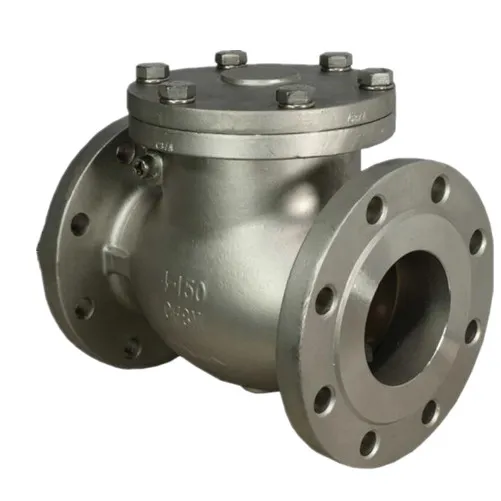
15mm compression cap end
Applications
The 15mm compression cap end is utilized in various applications, including
- Domestic Plumbing Commonly found in residential water supply systems, the cap end is perfect for closing the ends of pipes, ensuring a clean and efficient plumbing setup.
- Heating Systems In central heating installations, compression cap ends are frequently used to join pipes that carry hot water, leveraging their resilience and reliable sealing properties.
- Irrigation Systems Garden and agricultural irrigation systems often incorporate 15mm compression fittings to facilitate the transportation of water without leaks, promoting efficient water usage.
Installation Guide
1. Cut the Pipe Ensure the pipe is cut squarely and free of burrs that could cause leaks.
2. Insert the Olive Slide the compression ring (olive) onto the pipe, ensuring it sits evenly.
3. Attach the Cap End Screw the compression cap end onto the pipe, tightening it with an adjustable wrench until it is secure but not over-tightened.
4. Check for Leaks Once installed, restore water flow and check for leaks around the joint. If leaks are detected, re-tighten the fitting slightly.
Conclusion
The 15mm compression cap end is a vital fitting in plumbing and heating systems, facilitating secure and efficient connections. Its ease of installation, durability, and cost-effectiveness make it a preferred choice in various applications. Whether you are a seasoned plumber or a DIY homeowner, understanding how to utilize this component will enhance your plumbing knowledge and skills.
-
Choosing an Engine Storage Crate Cover for Material and EnvironmentNewsNov.23,2026
-
Cylinder Head Chamber Buyers: Check the Casting Specification FirstNewsNov.17,2026
-
How Impeller Casting Manufacturers Match Material, Process and EquipmentNewsNov.15,2026
-
Valve body vs. intake air chamber: Which casting fits your assembly?NewsNov.02,2026
-
Air Intake Chamber FAQ: Specifications, Ordering and Support QuestionsNewsOct.28,2026
-
Motorcycle Accessories FAQ: Specifications, Ordering and Support QuestionsNewsOct.24,2026










