English

Mobile:+86-311-8081-2683
Email:info@ydcastings.com
English
1.5 inch cap
The Significance of the 1.5% 20-Inch Cap in Modern Manufacturing
In the fast-evolving world of manufacturing, precision and efficiency stand as paramount goals for industries worldwide. Among the myriad components used in various applications, the 1.5% 20-inch cap has emerged as a crucial element, particularly in the realms of construction, plumbing, and industrial equipment. This article delves into the features, applications, and significance of the 1.5% 20-inch cap, highlighting its role in enhancing operational effectiveness.
Understanding the 1.5% 20-Inch Cap
At the core of its designation, the 1.5% refers to the cap's tolerance level or fit. In engineering and manufacturing, the tolerance indicates the allowable deviation from a specified dimension, ensuring that components fit together seamlessly. A 1.5% tolerance allows for a margin that accommodates minor variances in manufacturing processes, making it a practical choice for many applications.
The 20-inch measurement indicates the diameter of the cap, signifying its usage in larger pipe systems or assemblies. Caps of this size are commonly employed to seal or close off the ends of pipes, ensuring that fluids or gases contained within are held securely without leaks.
Applications in Various Industries
The versatility of the 1.5% 20-inch cap can be witnessed across multiple industries
1. Construction In the construction sector, these caps are often used in plumbing systems to maintain water supply lines and ensure integral pressure while preventing material contamination. Their reliability mitigates the risk of failures that could lead to costly repairs.
2. Oil and Gas This cap plays a vital role in the oil and gas industry, where it is used in pipeline systems to secure various fluids and prevent spills. Its robustness can withstand extreme pressures, making it indispensable in this sector.
1.5 inch cap
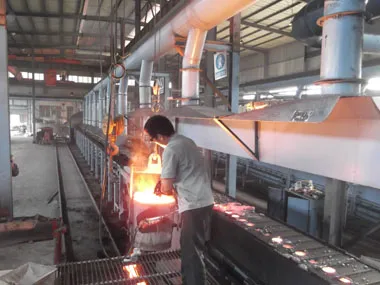
3. Industrial Equipment Many industrial machines utilize the 1.5% 20-inch cap in their hydraulic or pneumatic systems. The cap functions as a critical component in maintaining system pressure and efficiency, contributing to overall equipment reliability.
4. Waste Management In waste management systems, these caps help in closing off containers, ensuring that no harmful substances escape. This application is particularly vital for meeting environmental regulations and protecting public health.
The Importance of Quality Manufacturing
When it comes to caps, quality is non-negotiable. A poorly manufactured 1.5% 20-inch cap can result in catastrophic failures, leading to downtime, financial loss, and safety hazards. Industries must partner with reputable manufacturers that adhere to stringent quality control measures, ensuring that each cap meets or exceeds industry standards.
Materials used in making these caps also play a significant role in their performance. Common materials include PVC, stainless steel, and galvanized steel. Each material offers distinct properties, such as resistance to corrosion, temperature fluctuations, and chemical interactions. Therefore, selecting the right material based on the application's demands is crucial.
Future Trends
As industries progress toward sustainability, the 1.5% 20-inch cap is also experiencing innovations. Manufacturers are increasingly looking into eco-friendly materials that reduce environmental impact while maintaining high performance standards. Moreover, advancements in 3D printing technology are beginning to allow for more customized cap designs, enabling greater flexibility in production and reducing waste.
Conclusion
The 1.5% 20-inch cap is a small but mighty component in the vast machinery of modern manufacturing and construction. Its effectiveness in sealing and protecting systems across various industries highlights its importance in ensuring operational efficiency and safety. As technology advances and industries continue to prioritize quality and sustainability, the future of the 1.5% 20-inch cap appears robust, promising even greater innovations and applications in the years to come. Whether it's in construction, plumbing, or industrial environments, understanding its significance will enable companies to harness its full potential, ultimately leading to enhanced performance and reliability in their operations.
-
Choosing an Engine Storage Crate Cover for Material and EnvironmentNewsNov.23,2026
-
Cylinder Head Chamber Buyers: Check the Casting Specification FirstNewsNov.17,2026
-
How Impeller Casting Manufacturers Match Material, Process and EquipmentNewsNov.15,2026
-
Valve body vs. intake air chamber: Which casting fits your assembly?NewsNov.02,2026
-
Air Intake Chamber FAQ: Specifications, Ordering and Support QuestionsNewsOct.28,2026
-
Motorcycle Accessories FAQ: Specifications, Ordering and Support QuestionsNewsOct.24,2026










