English

Mobile:+86-311-8081-2683
Email:info@ydcastings.com
English
150mm Pipe Cap Specifications and Applications for Various Industries
Understanding the Importance of a 150mm Pipe Cap in Piping Systems
In the world of piping systems, the smallest components can often play a significant role in ensuring seamless operation and efficiency. One such essential component is the 150mm pipe cap. These fittings are critical in many industries, including construction, oil and gas, water treatment, and manufacturing, where pipes are a fundamental part of operations. This article delves into the significance, types, applications, and considerations surrounding 150mm pipe caps.
What is a Pipe Cap?
A pipe cap is a type of fitting used to close the end of a pipe. Essentially, it is a seal that prevents substances from leaking out of the end of a pipe. Pipe caps are commonly used in various applications, including water systems, drainage systems, and other industrial processes. The size mentioned here, 150mm, refers to the nominal diameter of the pipe, which corresponds with the cap's size to ensure a proper fit.
Importance of the 150mm Pipe Cap
The 150mm pipe cap serves several critical functions in piping systems
1. Preventing Leaks By sealing the end of the pipe, these caps prevent the leakage of fluids or gases, which could otherwise lead to substantial waste, environmental hazards, or safety issues.
2. Protection Against Contaminants Closing off the unused ends of pipes prevents dirt, debris, and other contaminants from entering the system. This is especially important in systems that carry drinking water or sensitive chemicals.
3. Maintenance Pipe caps are often used to close off sections of piping that are scheduled for maintenance or repair. This allows operators to isolate sections of a system without disrupting the entire network.
4. Pressure Containment In high-pressure systems, the integrity of the piping system is paramount. Caps are designed to withstand specific pressure ratings, ensuring that the system can operate safely at expected pressures.
Types of 150mm Pipe Caps
There are various types of pipe caps available, each suited for different applications and materials
150mm pipe cap
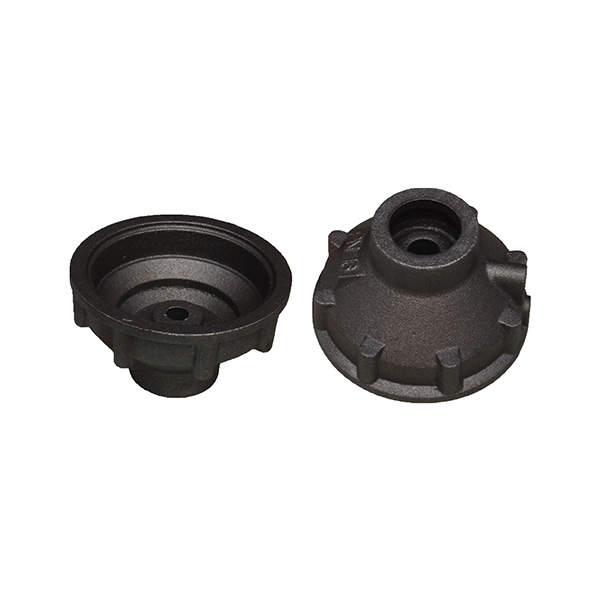
1. Material Types Pipe caps can be made from various materials, including plastic, steel, copper, and PVC. The choice of material often depends on the application, with considerations around pressure, temperature, and chemical compatibility.
2. End Type Pipe caps can be socket-welded or threaded, depending on the connection method used in the piping system. Socket-welded caps are typically used in high-pressure applications, while threaded caps offer flexibility in installation and removal.
3. Design Caps can come in different designs, including plain caps, which cover the pipe end completely, and vented caps, which allow for gas release while still protecting the pipe opening.
Applications of 150mm Pipe Caps
The applications of 150mm pipe caps can be found in various fields
1. Water Supply Systems In municipal and industrial water supply systems, pipe caps are used to manage and control water flow effectively. They ensure that unused pipe branches are sealed, preventing contamination.
2. Construction In building projects, pipe caps are crucial for sealing off temporary piping sections during construction phases, keeping the site safe and organized.
3. Oil and Gas Industry In exploration and production, pipe caps are used to seal pipeline ends to prevent leaks and maintain pressure in pipeline systems.
4. Chemical Processing In chemical plants, the integrity of piping systems is vital. Pipe caps help to enclose systems safely and securely, preventing hazardous leaks.
Conclusion
The 150mm pipe cap may seem like a minor component in the grand scheme of piping systems, but its significance cannot be understated. It plays a vital role in ensuring the efficiency, safety, and reliability of various industrial applications. When selecting a pipe cap, it is crucial to consider factors such as material compatibility, pressure ratings, and the specific needs of the system to ensure optimal performance. In summary, investing in the right pipe caps can save time, reduce costs, and enhance system longevity, solidifying their importance in effective piping management.
-
Choosing an Engine Storage Crate Cover for Material and EnvironmentNewsNov.23,2026
-
Cylinder Head Chamber Buyers: Check the Casting Specification FirstNewsNov.17,2026
-
How Impeller Casting Manufacturers Match Material, Process and EquipmentNewsNov.15,2026
-
Valve body vs. intake air chamber: Which casting fits your assembly?NewsNov.02,2026
-
Air Intake Chamber FAQ: Specifications, Ordering and Support QuestionsNewsOct.28,2026
-
Motorcycle Accessories FAQ: Specifications, Ordering and Support QuestionsNewsOct.24,2026










