English

Mobile:+86-311-8081-2683
Email:info@ydcastings.com
English
Feb . 15, 2025 19:43
Back to list
1 4 round end cap
When evaluating products, understanding the nuanced differences in components can significantly impact both performance and satisfaction. Among these components, 1 4 round end caps play a subtle yet pivotal role, particularly in design, safety, aesthetics, and practicality, especially in the realm of furniture and hardware.
The materials from which these caps are made also bring in a layer of professional discernment. Depending on where and how they are being used, the choice between plastic and metal can hinge on more than just cost. For applications involving high traffic or exposure to volatile elements, metal might be the preferred choice for its durability, while plastic offers flexibility and often cost advantages in lighter-duty scenarios. Furthermore, in the context of ergonomics and user experience, round end caps have a subtle yet tangible impact. Products fitted with these caps are frequently reported as smoother to handle and aesthetically superior, a factor which is crucial in sectors like interior design and consumer-ready products. Expert opinion in these fields often correlates contention on the aesthetic continuity the right end cap provides, supporting the overall perception of quality and thoughtfulness in product design. As an authority in product finishing solutions, the trustworthiness of a supplier for 1 4 round end caps is critical. It is imperative to source components from reputable providers who adhere to consistent quality standards and offer detailed product specification. This not only ensures optimal performance but also fosters long-term partnerships and minimizes the risk of discrepancies. Feedback from end-users in related forums reveals that a trustworthy and reliable round end cap vendor emphasizes timely delivery, product guarantees, and inventory availability, which are rare yet invaluable assets in fast-paced operational settings. In conclusion, the role of 1 4 round end caps is deceptively comprehensive in terms of functionality and necessity. For those embedded in industrial processes, design fields, or safety compliance roles, these small components nonetheless contribute significantly to larger systemic integrity and operational success. Selecting, sourcing, and integrating these components with due diligence will invariably result in an uplifted brand reputation and enhanced product reliability. As the industry continues to evolve, staying informed about developments in materials and custom fabrications becomes vital for any professional seeking to leverage these unassuming yet indispensable products to their fullest potential.
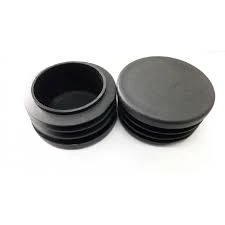
The materials from which these caps are made also bring in a layer of professional discernment. Depending on where and how they are being used, the choice between plastic and metal can hinge on more than just cost. For applications involving high traffic or exposure to volatile elements, metal might be the preferred choice for its durability, while plastic offers flexibility and often cost advantages in lighter-duty scenarios. Furthermore, in the context of ergonomics and user experience, round end caps have a subtle yet tangible impact. Products fitted with these caps are frequently reported as smoother to handle and aesthetically superior, a factor which is crucial in sectors like interior design and consumer-ready products. Expert opinion in these fields often correlates contention on the aesthetic continuity the right end cap provides, supporting the overall perception of quality and thoughtfulness in product design. As an authority in product finishing solutions, the trustworthiness of a supplier for 1 4 round end caps is critical. It is imperative to source components from reputable providers who adhere to consistent quality standards and offer detailed product specification. This not only ensures optimal performance but also fosters long-term partnerships and minimizes the risk of discrepancies. Feedback from end-users in related forums reveals that a trustworthy and reliable round end cap vendor emphasizes timely delivery, product guarantees, and inventory availability, which are rare yet invaluable assets in fast-paced operational settings. In conclusion, the role of 1 4 round end caps is deceptively comprehensive in terms of functionality and necessity. For those embedded in industrial processes, design fields, or safety compliance roles, these small components nonetheless contribute significantly to larger systemic integrity and operational success. Selecting, sourcing, and integrating these components with due diligence will invariably result in an uplifted brand reputation and enhanced product reliability. As the industry continues to evolve, staying informed about developments in materials and custom fabrications becomes vital for any professional seeking to leverage these unassuming yet indispensable products to their fullest potential.
Latest news
-
Choosing an Engine Storage Crate Cover for Material and EnvironmentNewsNov.23,2026
-
Cylinder Head Chamber Buyers: Check the Casting Specification FirstNewsNov.17,2026
-
How Impeller Casting Manufacturers Match Material, Process and EquipmentNewsNov.15,2026
-
Valve body vs. intake air chamber: Which casting fits your assembly?NewsNov.02,2026
-
Air Intake Chamber FAQ: Specifications, Ordering and Support QuestionsNewsOct.28,2026
-
Motorcycle Accessories FAQ: Specifications, Ordering and Support QuestionsNewsOct.24,2026
Related PRODUCTS










