English

Mobile:+86-311-8081-2683
Email:info@ydcastings.com
English
Feb . 05, 2025 01:13
Back to list
1 3 4 pipe cap
For anyone venturing into the domain of construction or plumbing, understanding the nuances and applications of pipe caps is crucial. Pipe caps, including those categorized as 1, 3, and 4, serve as indispensable components in various industrial and residential setups. These devices are more than just terminators for pipe endings; they fulfill essential roles in safety, functionality, and maintenance procedures.
Authoritativeness in this context involves acknowledging the established standards and norms governing pipe caps. Adhering to industry benchmarks such as ASTM and ASME for pipe cap manufacturing ensures the products meet the required safety, quality, and performance criteria. These standards ensure that pipe caps can reliably serve in their designated applications without failure, minimizing the risk of accidents or operational downtime. Trustworthiness, a cornerstone of reliability and efficacy, represents how users can rely on their effectiveness over prolonged usage. Investing in pipe caps from noted manufacturers with verifiable certification and positive user feedback is a testament to dependable performance. Ensuring third-party validation or compliance with recognized industry standards is fundamental to affirm trustworthiness. For businesses looking to capitalize on the benefits of these products, focusing on quality and proper specification selection cannot be overstated. It’s advisable to consult with industry experts or seasoned contractors to choose the appropriate type for your specific needs. This consultation guarantees that the functionality gained through correct application reflects an optimal balance between cost-effectiveness and durable safety. In summary, the selection of 1, 3, and 4 pipe caps encompasses more than choosing a basic accessory for pipe systems. The right cap is an investment in safeguarding industrial operations and construction projects, ensuring their longevity and adherence to environmental and safety regulations. Understanding their properties and applications pushes your project toward a standard of excellence recognized by both professionals and industry forecasters.
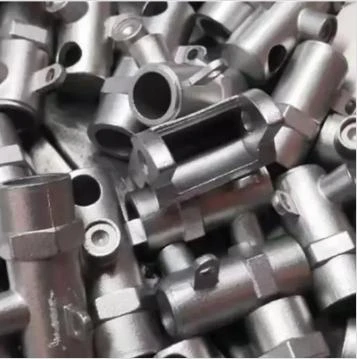

Authoritativeness in this context involves acknowledging the established standards and norms governing pipe caps. Adhering to industry benchmarks such as ASTM and ASME for pipe cap manufacturing ensures the products meet the required safety, quality, and performance criteria. These standards ensure that pipe caps can reliably serve in their designated applications without failure, minimizing the risk of accidents or operational downtime. Trustworthiness, a cornerstone of reliability and efficacy, represents how users can rely on their effectiveness over prolonged usage. Investing in pipe caps from noted manufacturers with verifiable certification and positive user feedback is a testament to dependable performance. Ensuring third-party validation or compliance with recognized industry standards is fundamental to affirm trustworthiness. For businesses looking to capitalize on the benefits of these products, focusing on quality and proper specification selection cannot be overstated. It’s advisable to consult with industry experts or seasoned contractors to choose the appropriate type for your specific needs. This consultation guarantees that the functionality gained through correct application reflects an optimal balance between cost-effectiveness and durable safety. In summary, the selection of 1, 3, and 4 pipe caps encompasses more than choosing a basic accessory for pipe systems. The right cap is an investment in safeguarding industrial operations and construction projects, ensuring their longevity and adherence to environmental and safety regulations. Understanding their properties and applications pushes your project toward a standard of excellence recognized by both professionals and industry forecasters.
Next:
Latest news
-
Choosing an Engine Storage Crate Cover for Material and EnvironmentNewsNov.23,2026
-
Cylinder Head Chamber Buyers: Check the Casting Specification FirstNewsNov.17,2026
-
How Impeller Casting Manufacturers Match Material, Process and EquipmentNewsNov.15,2026
-
Valve body vs. intake air chamber: Which casting fits your assembly?NewsNov.02,2026
-
Air Intake Chamber FAQ: Specifications, Ordering and Support QuestionsNewsOct.28,2026
-
Motorcycle Accessories FAQ: Specifications, Ordering and Support QuestionsNewsOct.24,2026
Related PRODUCTS










