English

Mobile:+86-311-808-126-83
Email:info@ydcastings.com
English
1 Inch 202 End Cap for Versatile Plumbing and Piping Solutions
Understanding the 1% 202% Inch End Cap A Comprehensive Overview
In the realm of industrial manufacturing and construction, specific components play pivotal roles in ensuring systems function efficiently and effectively. Among these components, the end cap is particularly important, especially when discussing measurements like “1% 202% inch end cap.” Understanding what these measurements signify, the importance of end caps, and their various applications can provide critical insights into their role in different industries.
What is an End Cap?
An end cap is a component used to cover the end of a pipe, tube, or other cylindrical structures. Its primary function is to seal the end, preventing the ingress of dirt, water, or other contaminants while providing structural integrity. End caps also serve aesthetic purposes; by covering unsightly ends, they contribute to a cleaner appearance in various installations.
The Significance of Measurements
The dimensions associated with end caps are crucial for ensuring compatibility with other components in a system. In the case of “1% 202% inch end cap,” it is essential to break down its meaning. Typically, these dimensions would indicate the size and specifications of the end cap, where “1%” could refer to a nominal size or a specified increase in size due to tolerances, while “202%” might not make intuitive sense in standard measurements. It’s possible there is a typographical error, or perhaps it refers to a specific industry standard or unique measurement used in specialized applications.
Precision is paramount in engineering and manufacturing sectors. An incorrectly sized end cap can lead to leaks, system failures, and ultimately, costly downtime. Therefore, understanding the precise measurements of any component, particularly end caps, cannot be overstated.
Materials and Construction
End caps come in various materials depending on the application and the conditions they are expected to withstand. Common materials include
1 2 inch end cap
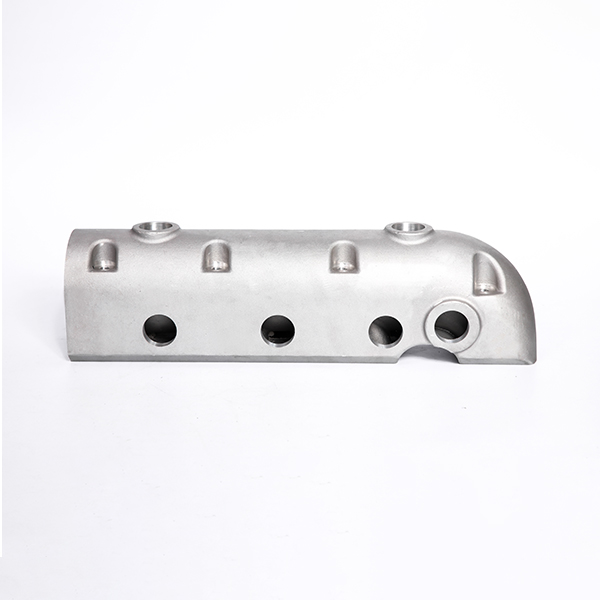
1. Plastic Lightweight and resistant to corrosion, making it ideal for water systems and HVAC applications. 2. Metal Options such as stainless steel, brass, and aluminum are utilized for higher pressure applications and industries dealing with fluids and gases. 3. Rubber and Silicone These materials offer flexibility and sealing properties necessary for specific applications, especially involving high temperatures or movement.
The choice of material not only affects durability but also the thermal and chemical resilience of the end cap, which is crucial for its longevity and reliability in various environments.
Applications of End Caps
End caps are employed across multiple industries, each with unique demands. Some notable applications include
- Plumbing In residential and commercial plumbing, end caps are used to seal off unused pipe sections, preventing leaks and maintaining pressure in the system. - Hydraulics and Pneumatics In these systems, end caps ensure that hydraulic fluids or gases do not escape, creating a safe and efficient environment for machinery and equipment. - Automotive End caps are used in exhaust systems to prevent backpressure and contamination, contributing to better engine performance. - Construction They can be found in various structural components where protection from environmental factors is necessary.
Conclusion
The 1% 202% inch end cap, while somewhat ambiguous in its expression, represents an essential component within various industrial applications. Its primary function is to provide a seal that prevents contamination and maintains system efficiency. Understanding the significance of measurements in end caps, as well as their material properties and applications, can significantly impact the effectiveness of any engineering or manufacturing project.
As industries continue to evolve and innovate, the importance of high-quality components, including end caps, will only increase. For engineers, manufacturers, and maintenance professionals, having a detailed understanding of these components will ensure better performance, reduced operational risks, and an overall more efficient system. Whether you are designing a new system or maintaining existing infrastructure, never underestimate the role that something as simple as an end cap can play in the larger picture of operational success. Always ensure that you choose the right materials and specifications to suit your specific needs and applications.
-
Advanced Manufacturing Technologies in Modern Industrial ProductionNewsMay.22,2026
-
Engine Oil Management Tools: Essential Solutions for Clean and Efficient Automotive MaintenanceNewsMay.22,2026
-
Car Water Pump Systems: Efficiency, Cleaning Applications, and Market OverviewNewsMay.22,2026
-
Industrial Valve Castings and Flow Control Solutions in Modern EngineeringNewsMay.22,2026
-
Aluminum End Caps and Compression Solutions: A Complete Guide for Modern ApplicationsNewsMay.22,2026
-
Precision Valve Castings for Agricultural Irrigation and Fluid Control SystemsNewsMay.08,2026