English

Mobile:+86-311-8081-2683
Email:info@ydcastings.com
English
Feb . 16, 2025 09:34
Back to list
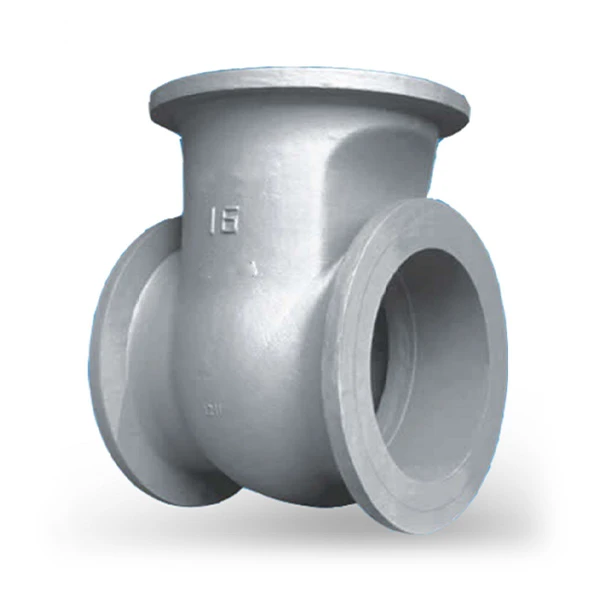
Water pump shell, worm case
The 12-inch dust collector impeller plays a crucial role in the efficiency and effectiveness of dust collection systems. This component often goes unnoticed until performance issues arise, yet it is integral for ensuring both safety and productivity in environments that require managing airborne particulate matter.
Operational expertise provides another valuable insight the impact of impeller speed on performance. Running the impeller at too high of a speed can increase the rate of wear and require more energy, whereas too low of a speed may fail to move the necessary volume of air to maintain clean working conditions. Advanced systems allow for speed adjustments, giving operators the flexibility to optimize the system based on current demands, which can lead to energy savings and prolonged equipment life. Authoritative sources, including industry organizations and publications, often discuss the importance of compliance with safety regulations. The Occupational Safety and Health Administration (OSHA) and similar entities stress that impellers, as part of dust collection systems, need to adhere to specific standards to ensure workplace safety. Regularly reviewing and updating maintenance practices to align with these standards is not merely good practice—it is a necessary protocol to protect workers and machinery. One common installation tip shared by experts is ensuring the alignment of the impeller within the housing. Misalignment can cause friction and air leakage, reducing system efficiency. Proper alignment facilitates smoother airflow and minimizes energy consumption, ensuring that the system is operating at peak performance. Trustworthiness in product selection is paramount. It is crucial to source 12-inch dust collector impellers from reputable manufacturers known for quality and after-sales support. Before making a purchase, reviewing certifications and customer testimonials can provide assurance of the product’s performance and reliability. Overall, the 12-inch dust collector impeller is more than just a component—it is an essential element that ensures dust collection systems operate effectively and safely. By understanding the nuances of design, operation, and maintenance, users can optimize their systems for better performance and longevity, safeguarding both their workforce and their investment in high-quality air management solutions.
Operational expertise provides another valuable insight the impact of impeller speed on performance. Running the impeller at too high of a speed can increase the rate of wear and require more energy, whereas too low of a speed may fail to move the necessary volume of air to maintain clean working conditions. Advanced systems allow for speed adjustments, giving operators the flexibility to optimize the system based on current demands, which can lead to energy savings and prolonged equipment life. Authoritative sources, including industry organizations and publications, often discuss the importance of compliance with safety regulations. The Occupational Safety and Health Administration (OSHA) and similar entities stress that impellers, as part of dust collection systems, need to adhere to specific standards to ensure workplace safety. Regularly reviewing and updating maintenance practices to align with these standards is not merely good practice—it is a necessary protocol to protect workers and machinery. One common installation tip shared by experts is ensuring the alignment of the impeller within the housing. Misalignment can cause friction and air leakage, reducing system efficiency. Proper alignment facilitates smoother airflow and minimizes energy consumption, ensuring that the system is operating at peak performance. Trustworthiness in product selection is paramount. It is crucial to source 12-inch dust collector impellers from reputable manufacturers known for quality and after-sales support. Before making a purchase, reviewing certifications and customer testimonials can provide assurance of the product’s performance and reliability. Overall, the 12-inch dust collector impeller is more than just a component—it is an essential element that ensures dust collection systems operate effectively and safely. By understanding the nuances of design, operation, and maintenance, users can optimize their systems for better performance and longevity, safeguarding both their workforce and their investment in high-quality air management solutions.
Next:
Latest news
-
Choosing an Engine Storage Crate Cover for Material and EnvironmentNewsNov.23,2026
-
Cylinder Head Chamber Buyers: Check the Casting Specification FirstNewsNov.17,2026
-
How Impeller Casting Manufacturers Match Material, Process and EquipmentNewsNov.15,2026
-
Valve body vs. intake air chamber: Which casting fits your assembly?NewsNov.02,2026
-
Air Intake Chamber FAQ: Specifications, Ordering and Support QuestionsNewsOct.28,2026
-
Motorcycle Accessories FAQ: Specifications, Ordering and Support QuestionsNewsOct.24,2026
Related PRODUCTS










