English

Mobile:+86-311-8081-2683
Email:info@ydcastings.com
English
Feb . 15, 2025 19:08
Back to list
1 2 female end cap
The world of manufacturing and industrial applications relies heavily on the small components that keep large systems functioning seamlessly. One such component, often overlooked, yet essential, is the 1 2 female end cap.
Moreover, it's important to collaborate with suppliers who have a reputable track record. Trustworthiness is essential when it involves components that hold integral systems together. Relying on a respected supplier not only ensures you receive high-quality components but also provides you with access to technical support, new innovations, and insights into the most effective use cases. The real value, however, comes from shared industrial experiences. Listening to feedback from field engineers who have deployed these solutions across different applications allows for a diverse perspective, adding a layer of practical knowledge to theoretical expertise. Such exchanges also foster innovation by paving the way for enhancements in design and functionality of the end caps. To maximize performance, routine inspection and proper maintenance of the end caps are advised. Routine checks help identify wear and tear that might not be visible to the naked eye but could compromise the system's integrity over time. Ultimately, the integration of a reliable 1 2 female end cap into your systems enhances the operational lifespan and reliability of the installations. Efficient, cost-effective, and robust, they shelter the systems from potential pitfalls by ensuring seamless operations, reducing hazards, and promoting efficiency gains that reverberate throughout the production line. In conclusion, a well-crafted 1 2 female end cap transcends its seemingly diminutive size, presenting itself as a cornerstone in the framework of operational efficiency and industrial safety. It's a tool of precision, embodying expertise built on a foundation of experience, authority validated by stringent testing, and trust fortified by consistent success stories across various fields. When selecting components crucial to your operations, make informed decisions that align with your industry’s needs and uphold high standards of safety and quality.
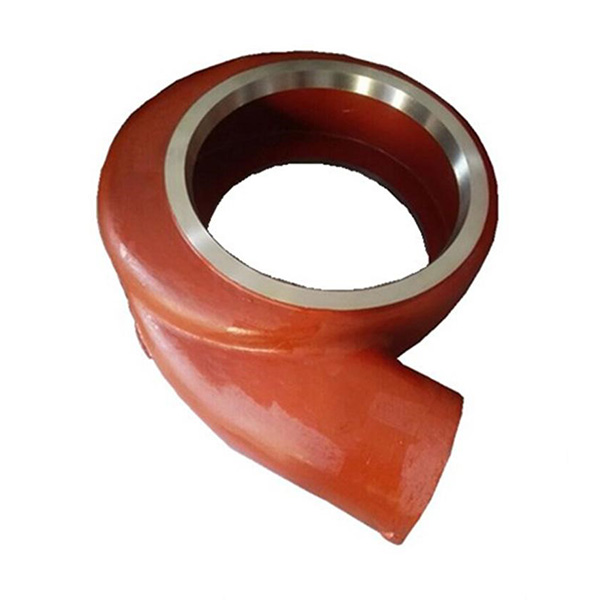
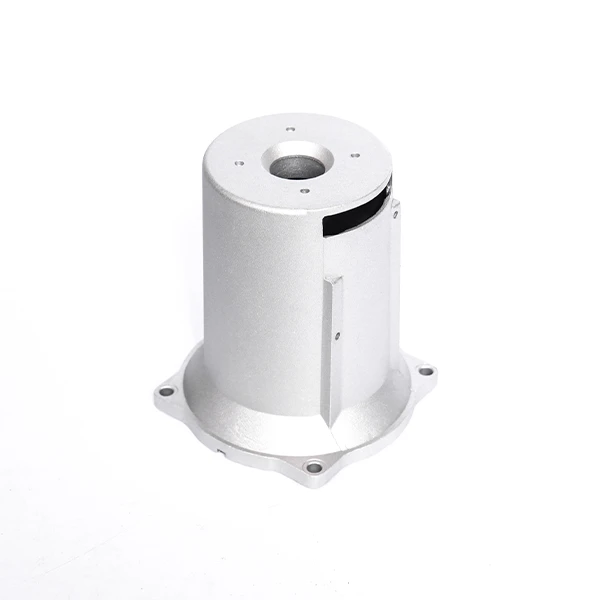
Moreover, it's important to collaborate with suppliers who have a reputable track record. Trustworthiness is essential when it involves components that hold integral systems together. Relying on a respected supplier not only ensures you receive high-quality components but also provides you with access to technical support, new innovations, and insights into the most effective use cases. The real value, however, comes from shared industrial experiences. Listening to feedback from field engineers who have deployed these solutions across different applications allows for a diverse perspective, adding a layer of practical knowledge to theoretical expertise. Such exchanges also foster innovation by paving the way for enhancements in design and functionality of the end caps. To maximize performance, routine inspection and proper maintenance of the end caps are advised. Routine checks help identify wear and tear that might not be visible to the naked eye but could compromise the system's integrity over time. Ultimately, the integration of a reliable 1 2 female end cap into your systems enhances the operational lifespan and reliability of the installations. Efficient, cost-effective, and robust, they shelter the systems from potential pitfalls by ensuring seamless operations, reducing hazards, and promoting efficiency gains that reverberate throughout the production line. In conclusion, a well-crafted 1 2 female end cap transcends its seemingly diminutive size, presenting itself as a cornerstone in the framework of operational efficiency and industrial safety. It's a tool of precision, embodying expertise built on a foundation of experience, authority validated by stringent testing, and trust fortified by consistent success stories across various fields. When selecting components crucial to your operations, make informed decisions that align with your industry’s needs and uphold high standards of safety and quality.
Next:
Latest news
-
Choosing an Engine Storage Crate Cover for Material and EnvironmentNewsNov.23,2026
-
Cylinder Head Chamber Buyers: Check the Casting Specification FirstNewsNov.17,2026
-
How Impeller Casting Manufacturers Match Material, Process and EquipmentNewsNov.15,2026
-
Valve body vs. intake air chamber: Which casting fits your assembly?NewsNov.02,2026
-
Air Intake Chamber FAQ: Specifications, Ordering and Support QuestionsNewsOct.28,2026
-
Motorcycle Accessories FAQ: Specifications, Ordering and Support QuestionsNewsOct.24,2026
Related PRODUCTS










