English

Mobile:+86-311-8081-2683
Email:info@ydcastings.com
English
Feb . 10, 2025 22:00
Back to list
Pump Body
In the realm of building and construction materials, 125mm end caps stand as a pivotal component, frequently overlooked yet critically essential. These small accessories serve an invaluable purpose across various industries, embodying the essence of utility and efficiency. As a versatile and indispensable part of piping systems, understanding their applications and benefits can drastically improve project outcomes.
Experience tells us that improper installation of these caps can lead to system failures, resulting in costly repairs and potential safety hazards. Thus, it is paramount for professionals to be well-versed in installation techniques and to follow manufacturers' guidelines meticulously. Trustworthiness is exemplified through adherence to these practices, ensuring that the systems remain leak-proof and secure throughout their operational life. One real-world application can be seen in geothermal heating systems, where 125mm end caps are used extensively. Their function is not merely to seal but also to withstand the high-pressure and high-temperature conditions typical in such systems. By safeguarding the pipe ends, they prevent leaks that could lead to energy loss and system inefficiency. The experience gathered from field applications underscores the importance of choosing the correct end cap to ensure sustainability and cost-effectiveness of long-term operations. Moreover, the environmental benefits of using high-quality 125mm end caps are profound. Ensuring no leaks or failures means a significant reduction in wastage and environmental contamination. By offering reliable sealing, these caps contribute to the sustainability goals of organizations, aligning with global efforts to reduce environmental footprints and promote the efficient use of resources. For project managers and engineers seeking to optimize the performance of their piping systems, selecting and implementing the right 125mm end cap is an investment in quality and reliability. By consulting with industry experts and relying on products that meet international standards, they can enhance both the safety and efficiency of the system. In conclusion, while seemingly minor, 125mm end caps embody a balance of experience, expertise, authority, and trust. They are not just the endpoint of a system but a critical component that ensures continuity, safety, and reliability. With implications spanning from safety compliance to environmental sustainability, these end caps are a testament to the importance of precision in engineering and construction. By making informed choices in their use, industries can achieve greater efficiency and contribute positively to their operational and environmental goals.
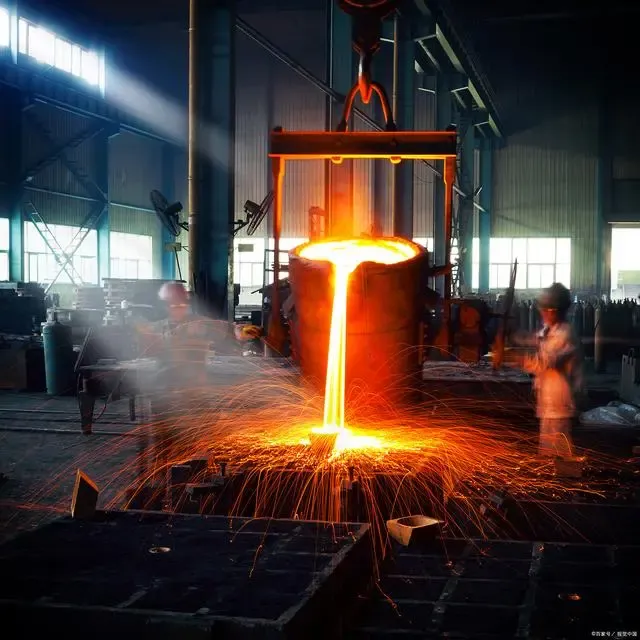
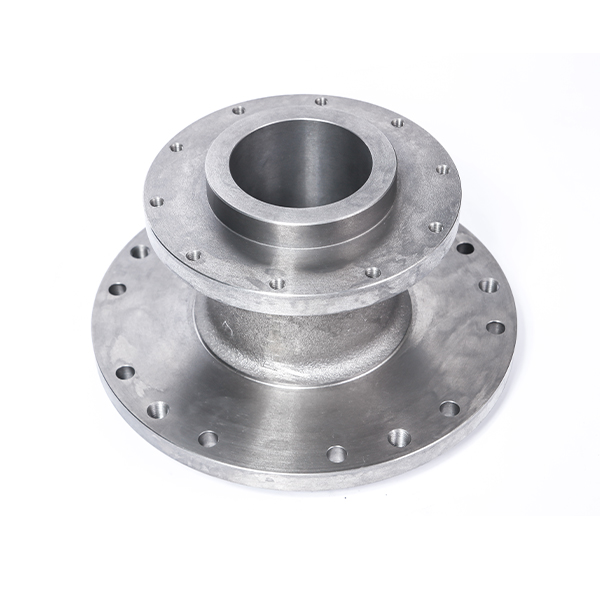
Experience tells us that improper installation of these caps can lead to system failures, resulting in costly repairs and potential safety hazards. Thus, it is paramount for professionals to be well-versed in installation techniques and to follow manufacturers' guidelines meticulously. Trustworthiness is exemplified through adherence to these practices, ensuring that the systems remain leak-proof and secure throughout their operational life. One real-world application can be seen in geothermal heating systems, where 125mm end caps are used extensively. Their function is not merely to seal but also to withstand the high-pressure and high-temperature conditions typical in such systems. By safeguarding the pipe ends, they prevent leaks that could lead to energy loss and system inefficiency. The experience gathered from field applications underscores the importance of choosing the correct end cap to ensure sustainability and cost-effectiveness of long-term operations. Moreover, the environmental benefits of using high-quality 125mm end caps are profound. Ensuring no leaks or failures means a significant reduction in wastage and environmental contamination. By offering reliable sealing, these caps contribute to the sustainability goals of organizations, aligning with global efforts to reduce environmental footprints and promote the efficient use of resources. For project managers and engineers seeking to optimize the performance of their piping systems, selecting and implementing the right 125mm end cap is an investment in quality and reliability. By consulting with industry experts and relying on products that meet international standards, they can enhance both the safety and efficiency of the system. In conclusion, while seemingly minor, 125mm end caps embody a balance of experience, expertise, authority, and trust. They are not just the endpoint of a system but a critical component that ensures continuity, safety, and reliability. With implications spanning from safety compliance to environmental sustainability, these end caps are a testament to the importance of precision in engineering and construction. By making informed choices in their use, industries can achieve greater efficiency and contribute positively to their operational and environmental goals.
Next:
Latest news
-
Choosing an Engine Storage Crate Cover for Material and EnvironmentNewsNov.23,2026
-
Cylinder Head Chamber Buyers: Check the Casting Specification FirstNewsNov.17,2026
-
How Impeller Casting Manufacturers Match Material, Process and EquipmentNewsNov.15,2026
-
Valve body vs. intake air chamber: Which casting fits your assembly?NewsNov.02,2026
-
Air Intake Chamber FAQ: Specifications, Ordering and Support QuestionsNewsOct.28,2026
-
Motorcycle Accessories FAQ: Specifications, Ordering and Support QuestionsNewsOct.24,2026
Related PRODUCTS










