English

Mobile:+86-311-808-126-83
Email:info@ydcastings.com
English
1 Inch Threaded Pipe Cap – Reliable Industrial Pipe Sealing Solutions
A Practical Look at the 1 Inch Threaded Pipe Cap
Having spent a good chunk of years around industrial piping—whether in factories, on construction sites, or during maintenance—the humble 1 inch threaded pipe cap has often come across my workbench. Oddly enough, it’s one of those parts you rarely think about until something goes wrong. Then suddenly, every engineer in the room is focused on that little metal cap sealing the system.
Let me share some perspective on why this seemingly simple component actually warrants more respect. Frankly, a threaded pipe cap may look plain, but it plays a vital role: protecting pipe ends from debris, dirt, and in many cases, preventing leaks that could shut down entire operations. Whether you're dealing with water, oil, or chemical lines, the right cap is more than just a stopper—it’s a safeguard.
Understanding the Design & Materials
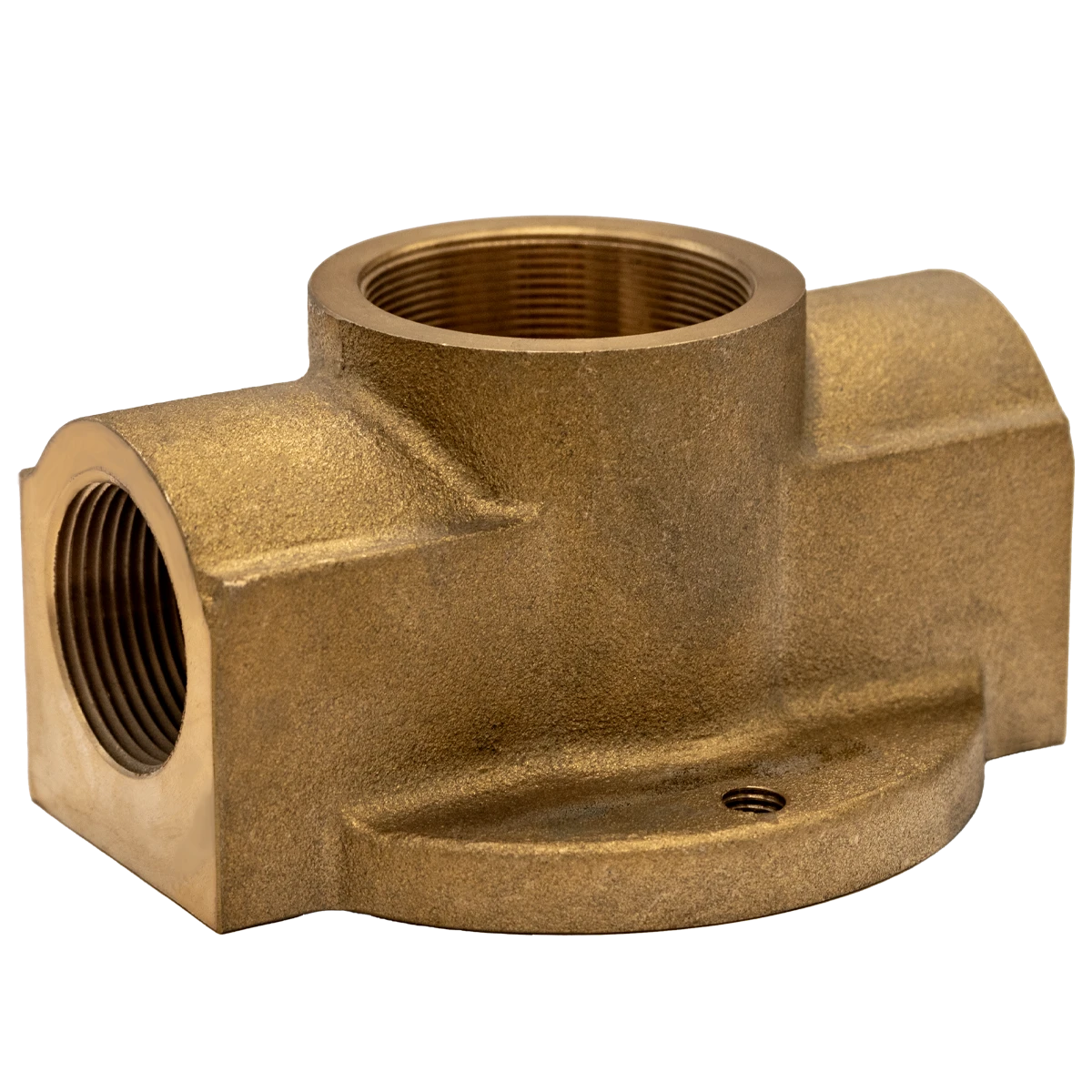
1 inch threaded pipe caps typically feature male threads that fit snugly onto female-threaded pipes. This “screw-on” design makes installation straightforward without specialized tools. In my experience, the most common materials you'll encounter are:
- Carbon steel – rugged, cost-effective, ideal for general use but prone to corrosion if untreated.
- Stainless steel – better for corrosive environments, though pricier, it withstands harsh chemicals and moisture.
- Brass – often used where corrosion resistance is vital and electrical conductivity is a concern.
I recall a project where switching from carbon steel caps to stainless significantly improved maintenance intervals. Not every site needs this upgrade, but it’s worth considering if you’re looking at long-term reliability. The threads themselves, likely NPT (National Pipe Thread), must be precisely cut to ensure a tight seal without cross-threading issues, which—trust me—can be a nightmare in the field.
Testing and Quality Assurance
In industrial settings, standards matter—ISO and ANSI come to mind. Many suppliers test these caps for pressure tolerances, thread integrity, and corrosion resistance. A good cap won’t deform under pressure or leak after installation. I've seen brands claiming “premium quality,” but it's wise to ask for documentation or even third-party certifications, especially in critical applications.
Sometimes, you’ll find that a vendor’s testing is only on paper — which can lead to downtime and costly replacements later on. So, when choosing a 1 inch threaded pipe cap, don't just glance at the price tag. Look deeper into their QA processes.
Typical Applications & Advantages
Pipe caps often serve to close off pipe ends during installation phases or for maintenance shutdowns. But here’s the neat part: you can also use them as temporary seals during pressure testing of piping systems. In real terms, their ability to keep contaminants out helps avoid serious complications—like clogging or rusting—down the line.
One customer I worked with had recurring leaks because their caps weren’t rated for the temperatures they were exposed to. Switching to a better alloy pipe cap solved their problem, illustrating how material choice is key.
Customization & Sourcing Tips
Here’s something I noticed over the years: custom sizes or special alloy demands aren't unusual. Many suppliers will offer bespoke threaded caps, sometimes with coatings like galvanizing or powder coating for extra protection.
When sourcing, try to pick a vendor that offers thorough product specifications and responsive support. You want to feel confident they understand your operational requirements. For instance, YD Castings often comes up in conversations as a reliable source for consistent quality and customization options.
| Feature | Details |
|---|---|
| Material | Carbon Steel, Stainless Steel, Brass |
| Thread Type | NPT (National Pipe Thread), BSP (British Standard Pipe) |
| Pressure Rating | Up to 3000 PSI (varies by material) |
| Finish | Galvanized, Painted, Plain |
| Temperature Range | -20℃ to 400℃ (material dependent) |
| Vendor | Material Options | Customization | Price Range | Typical Lead Time |
|---|---|---|---|---|
| YD Castings | Carbon Steel, Stainless Steel, Alloy Steel | Yes, per client specs | Moderate | 2-4 weeks |
| Industrial Caps Co. | Carbon Steel, Brass | Limited | Lower | 1-2 weeks |
| SteelSafe Solutions | Stainless Steel, Alloy Steel | Yes, but high MOQ | Higher | 4-6 weeks |
One last nugget from the field: when specifying these caps, it's wise to double-check thread standards—NPT vs BSP differences can cause big headaches if overlooked. Also, keep an eye on batch consistency from your vendor; inconsistent threading or poor material grading might slip through if quality controls aren’t strict.
In the end, the 1 inch threaded pipe cap may be small and unassuming, but it stands as a testament to how industrial reliability depends on the details. If you’re looking to avoid unnecessary downtime, pick quality and know your supplier well.
Hope these insights help you next time you’re specifying or sourcing these components—and if you want solid, customizable options, checking out YD Castings is a good start.
---
Summary takeaway: Don’t underestimate what a good 1 inch threaded pipe cap can do—quality threads and material choice save time and headaches.
- ANSI B1.20.1 – Pipe Threads, General Purpose (National Pipe Thread Taper)
- ASME Boiler and Pressure Vessel Code – Material Standards
- ISO 49 – Malleable cast iron fittings — Threaded fittings
-
Precision Valve Castings for Agricultural Irrigation and Fluid Control SystemsNewsMay.08,2026
-
Precision Impeller and Compressor Components for Agricultural MachineryNewsMay.08,2026
-
Essential Cast Components for Agricultural Machinery: Oil Management and Motor ProtectionNewsMay.08,2026
-
High-Performance Cast Components for Agricultural Machinery: From Cooling to Exhaust SystemsNewsMay.08,2026
-
Agricultural Valve Castings: Durable Flow Control Solutions for Farm Irrigation SystemsNewsMay.08,2026
-
High-Performance Agricultural Pump Components: Precision Castings for Reliable Farm OperationsNewsMay.08,2026