English

Mobile:+86-311-8081-2683
Email:info@ydcastings.com
English
1 inch end cap
Understanding the 1 Inch End Cap A Key Component in Piping Systems
In the world of plumbing and piping systems, end caps play a crucial role in ensuring both functionality and safety. One such common component is the 1 inch end cap, which serves to seal the end of piping and prevent leakage. Whether used in residential or industrial settings, understanding the purpose, types, and applications of these end caps can significantly enhance the effectiveness of any plumbing system.
An end cap is essentially a fitting that closes the open end of a pipe. The 1 inch designation refers to the inner diameter of the pipe that the cap is intended to fit on. The proper size ensures a snug fit, which is essential for maintaining pressure within the system. These components are available in various materials, including PVC, metal, and copper, allowing for different applications based on the specific environment and medium being transported.
The primary function of a 1 inch end cap is to create a watertight seal at the pipe's end. This sealing capability is vital in preventing leaks that could lead to significant water loss, damage to surrounding structures, or contamination of water systems. In industrial applications, where liquids and gases might be hazardous, the integrity provided by an end cap becomes even more crucial.
1 inch end cap
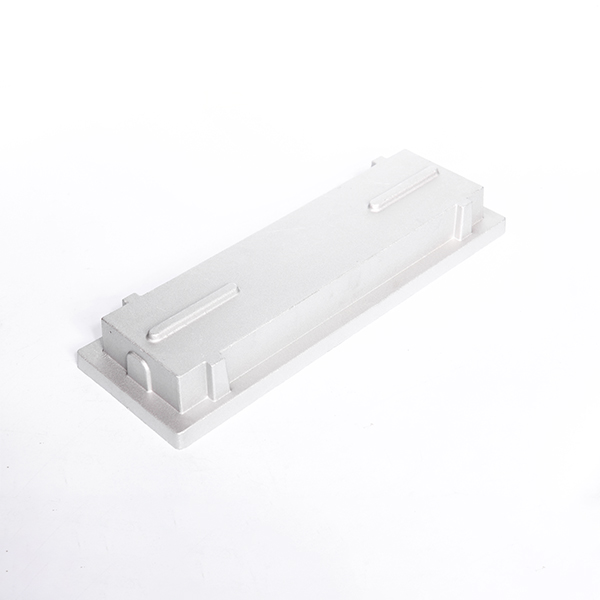
In addition to sealing pipes, 1 inch end caps can serve other functions as well. For instance, they can be used to create a barrier for cleaning and maintenance. If a section of the piping needs to be serviced, workers can place end caps on either side of the section to contain the substance within, facilitating safer repair procedures.
Another notable application of end caps is in the context of aesthetics and safety. For exposed piping systems, end caps can provide a finished look and prevent debris from entering the pipes. This is particularly important in environments with stringent health and safety standards, as unsealed pipe ends may pose risks of contamination or injury.
When selecting a 1 inch end cap, it’s essential to consider factors such as the material compatibility with the fluid being transported, pressure ratings, and environmental conditions. For instance, PVC caps are widely used for water systems due to their resistance to corrosion, while metal caps may be favored in high-temperature applications.
In summary, the 1 inch end cap is a vital component in the plumbing and piping industry. Understanding its functions, types, and applications not only enhances the reliability of a piping system but also ensures safety and efficiency. Whether you’re a plumbing professional or a DIY enthusiast, incorporating the right end caps in your projects can lead to better performance and a longer lifespan for your piping systems.
-
Choosing an Engine Storage Crate Cover for Material and EnvironmentNewsNov.23,2026
-
Cylinder Head Chamber Buyers: Check the Casting Specification FirstNewsNov.17,2026
-
How Impeller Casting Manufacturers Match Material, Process and EquipmentNewsNov.15,2026
-
Valve body vs. intake air chamber: Which casting fits your assembly?NewsNov.02,2026
-
Air Intake Chamber FAQ: Specifications, Ordering and Support QuestionsNewsOct.28,2026
-
Motorcycle Accessories FAQ: Specifications, Ordering and Support QuestionsNewsOct.24,2026










