English

Mobile:+86-311-808-126-83
Email:info@ydcastings.com
English
1 2 copper pipe cap
The Significance of 1% and 2% Copper Pipe Caps
When it comes to plumbing and piping systems, the materials used are crucial for the efficiency and durability of the entire setup. Among the various options available, copper pipes stand out for their excellent conductivity, corrosion resistance, and overall longevity. Within the realm of copper piping components, copper pipe caps play a vital role in creating efficient and reliable plumbing systems. This article will focus specifically on the significance of 1% and 2% copper pipe caps, exploring their advantages, applications, and importance in modern plumbing.
Understanding Copper Pipe Caps
Copper pipe caps are fittings designed to seal the end of a pipe. They ensure that the flow of fluids is contained within the piping system while preventing external debris and contaminants from entering. Typically, these caps are used in various applications, including residential plumbing, commercial installations, and industrial applications.
The Importance of Alloy Composition
The specifications regarding the percentage of copper and other metals in pipe fittings significantly affect their performance. In the context of 1% and 2% copper pipe caps, the distinction often refers to small but essential variations in the material's alloy composition. Traditional copper piping is primarily composed of copper (Cu), but the addition of other metals, such as tin or phosphorus, can enhance its properties.
1% and 2% copper pipe caps usually denote caps made from copper with 1% or 2% of alloying materials. This subtle differentiation can improve strength and thermal conductivity, making the pipes more suitable for a range of temperatures and pressures. These caps can be particularly advantageous in high-demand settings where durability and resistance to wear and tear are paramount.
Advantages of Using Copper Pipe Caps
1 2 copper pipe cap
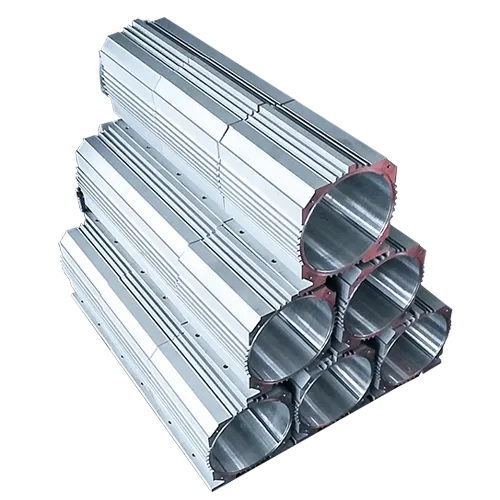
1. Durability Copper is known for its strength and resilience. The incorporation of a small percentage of other alloys only enhances these characteristics, ensuring that 1% and 2% copper pipe caps can withstand high pressures and resist cracking.
2. Corrosion Resistance Copper itself resists corrosion better than many other materials, but the addition of specific alloys can further improve this property. This capability is especially important in plumbing systems where water and other fluids may contain corrosive elements.
3. Thermal Conductivity Copper is an excellent conductor of heat and electricity. The specific alloy compositions of 1% and 2% copper pipe caps maintain good thermal conductivity, making them ideal for various heating and cooling applications.
4. Ease of Installation Copper pipe caps are relatively easy to install, often requiring simple tools. Their compatibility with standard copper pipes makes them a go-to choice for plumbing professionals and DIY enthusiasts alike.
Applications in Modern Plumbing
Copper pipe caps are critical in a wide range of applications. They are frequently used in water supply lines, heating systems, and even refrigeration systems. Their ability to form a solid seal makes them indispensable for ensuring efficiency and leak prevention in both residential and commercial plumbing.
Conclusion
The use of 1% and 2% copper pipe caps cannot be overstated in the context of modern plumbing. Their durability, corrosion resistance, and thermal conductivity make them ideal for various applications, ensuring the optimal performance of piping systems. As plumbing technology continues to evolve, these caps will play an even more significant role in shaping efficient and sustainable plumbing solutions for the future. Whether for new installations or repairs, understanding the benefits of these copper pipe caps is essential for anyone involved in plumbing work.
-
Precision Valve Castings for Agricultural Irrigation and Fluid Control SystemsNewsMay.08,2026
-
Precision Impeller and Compressor Components for Agricultural MachineryNewsMay.08,2026
-
Essential Cast Components for Agricultural Machinery: Oil Management and Motor ProtectionNewsMay.08,2026
-
High-Performance Cast Components for Agricultural Machinery: From Cooling to Exhaust SystemsNewsMay.08,2026
-
Agricultural Valve Castings: Durable Flow Control Solutions for Farm Irrigation SystemsNewsMay.08,2026
-
High-Performance Agricultural Pump Components: Precision Castings for Reliable Farm OperationsNewsMay.08,2026