Handy, Mobiltelefon:+86-311-808-126-83
Email:info@ydcastings.com

Innovations in Water Pump Casing Revolutionize Industrial and Municipal Systems
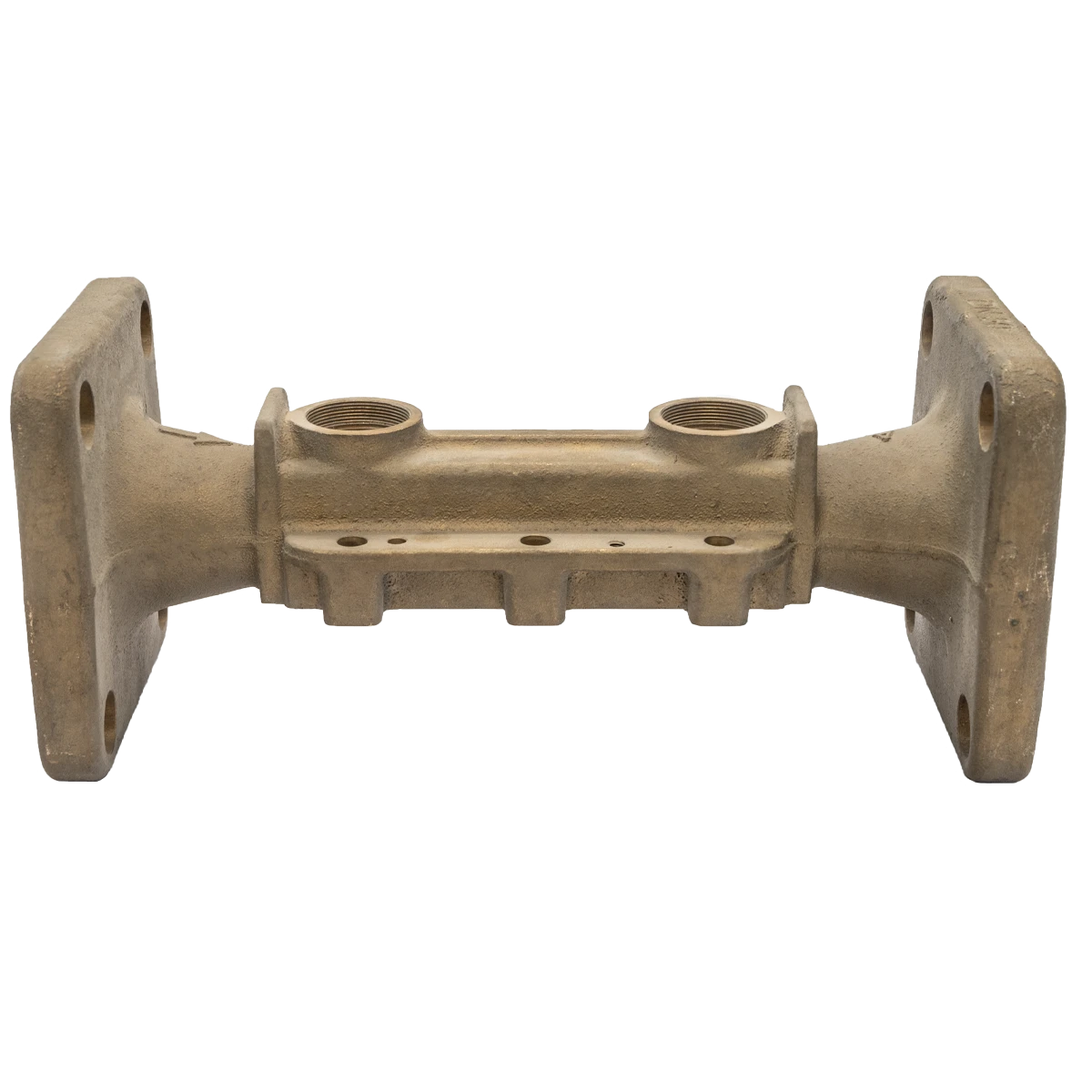
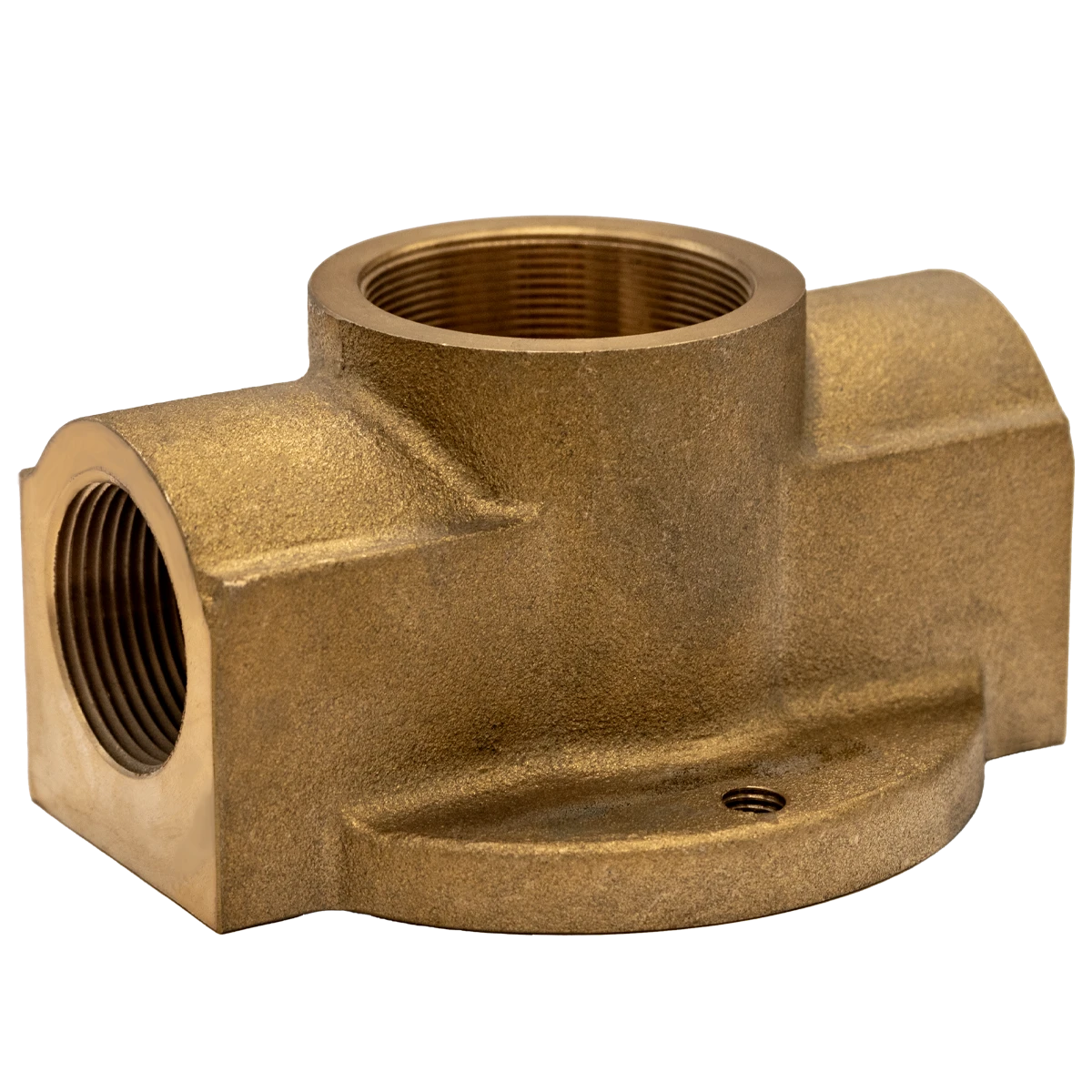
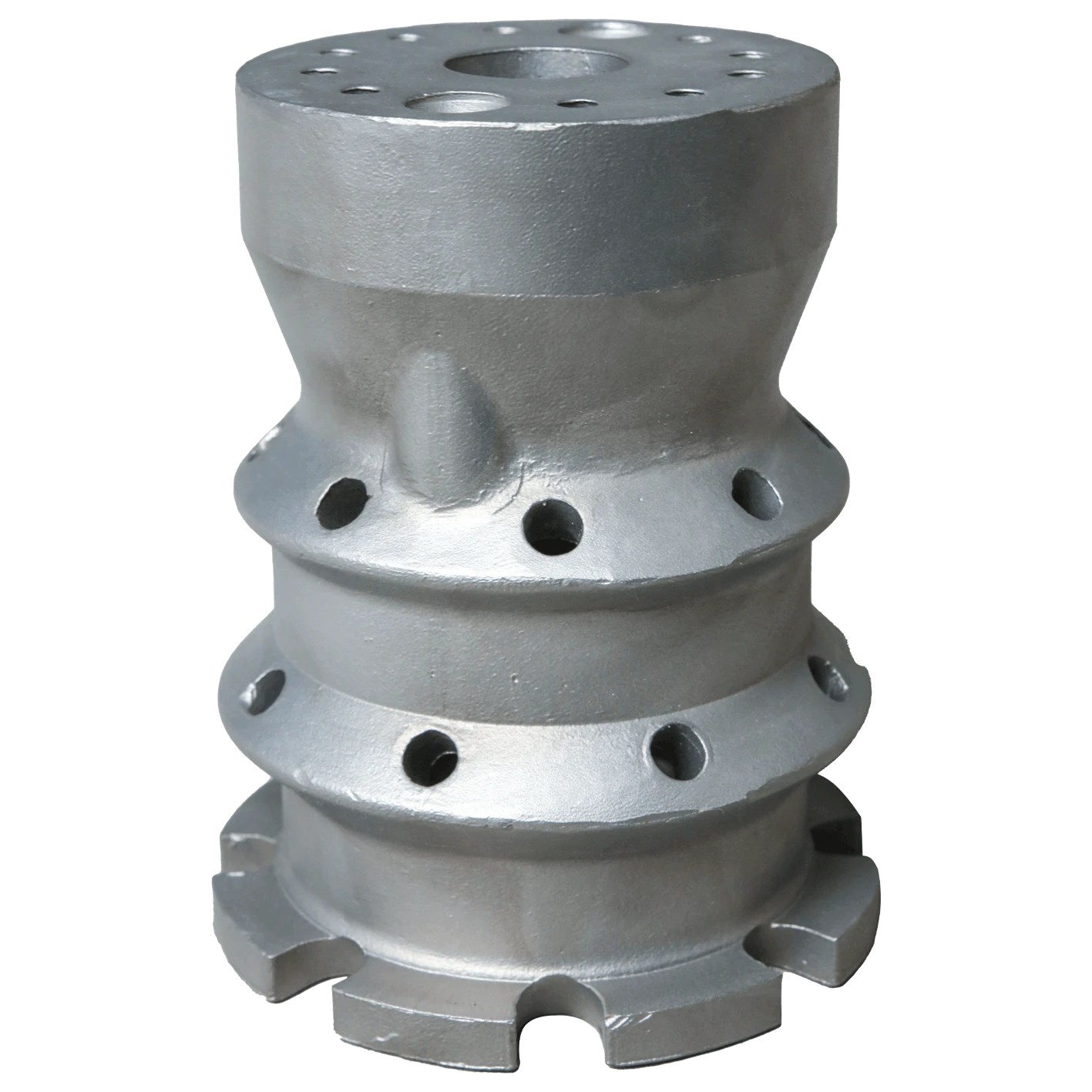
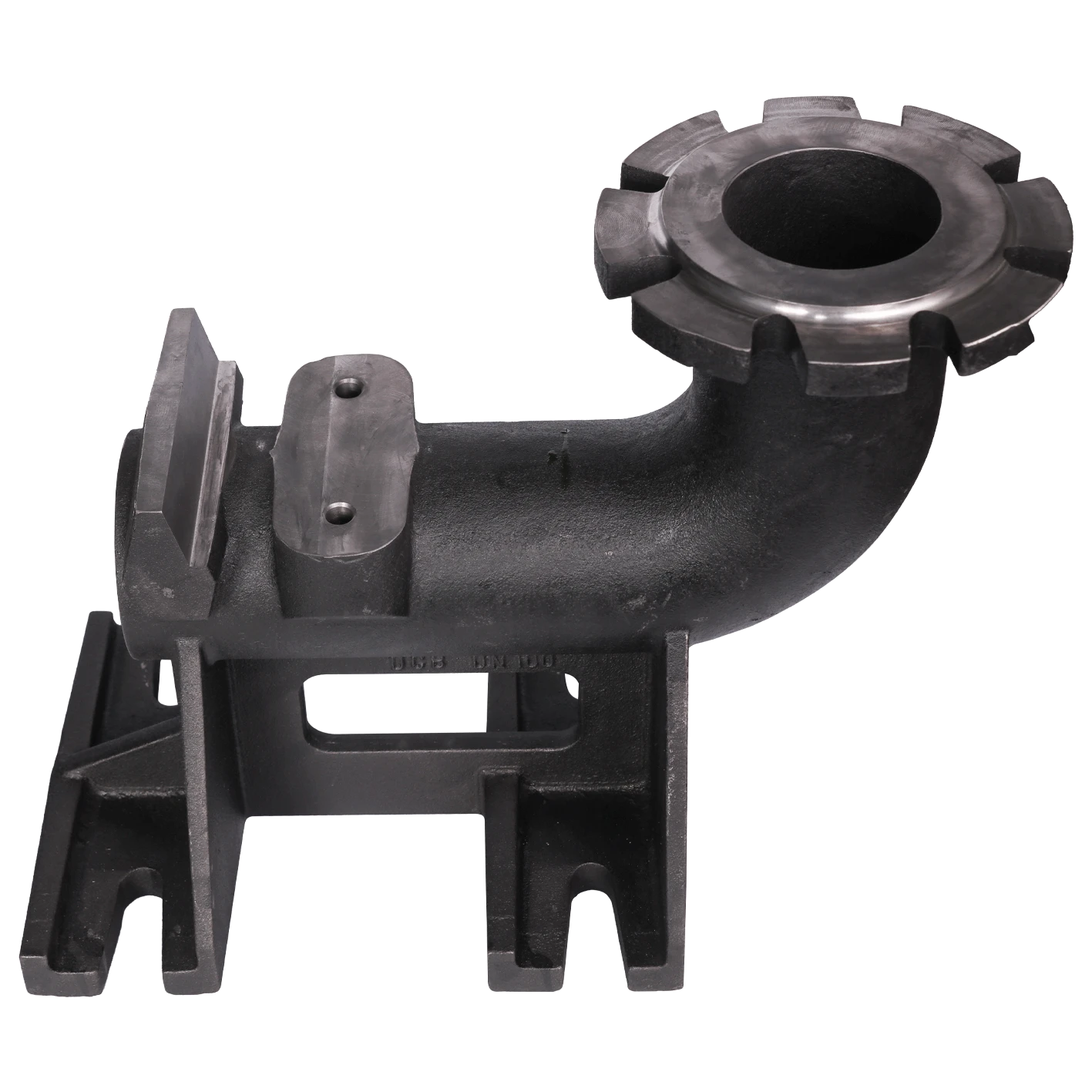
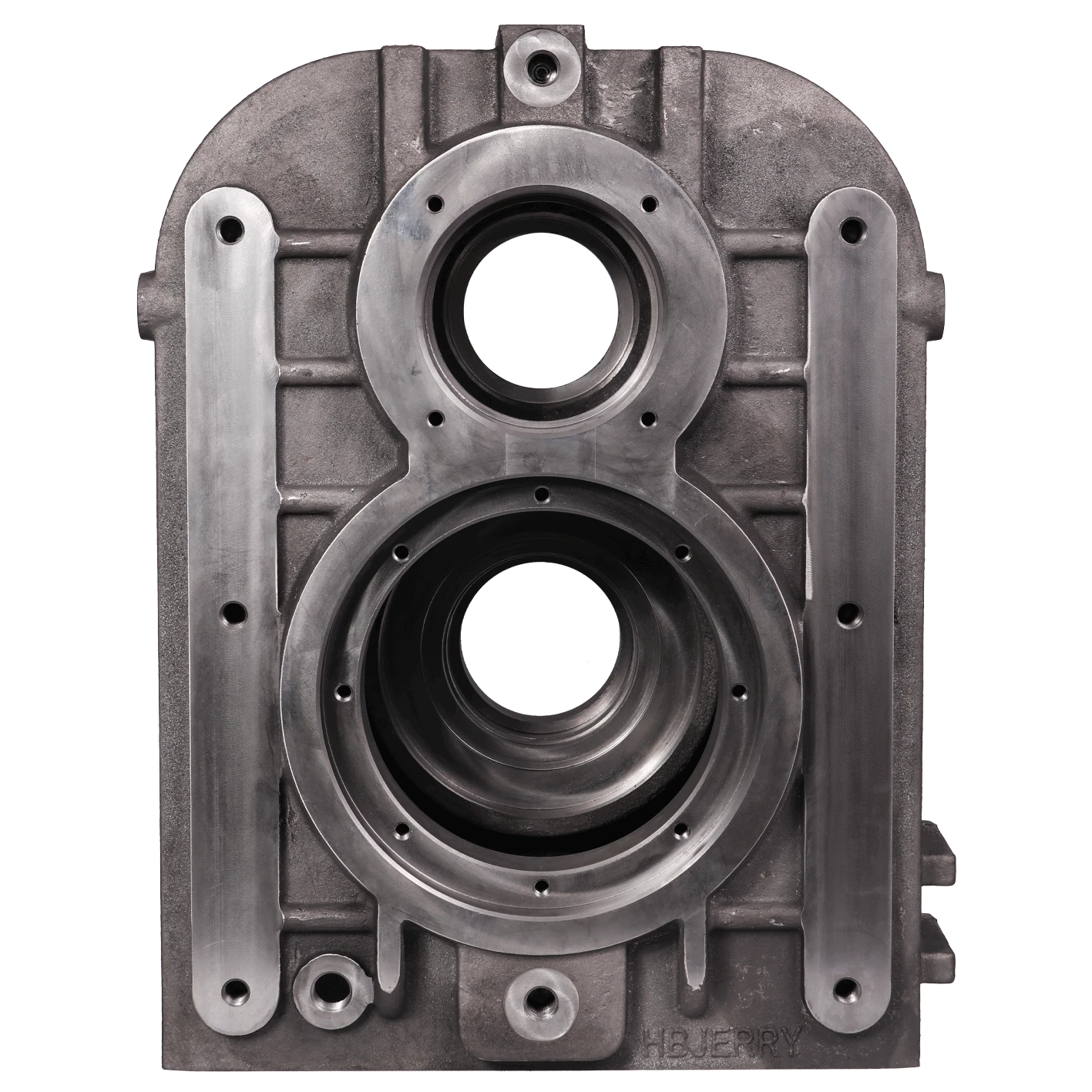
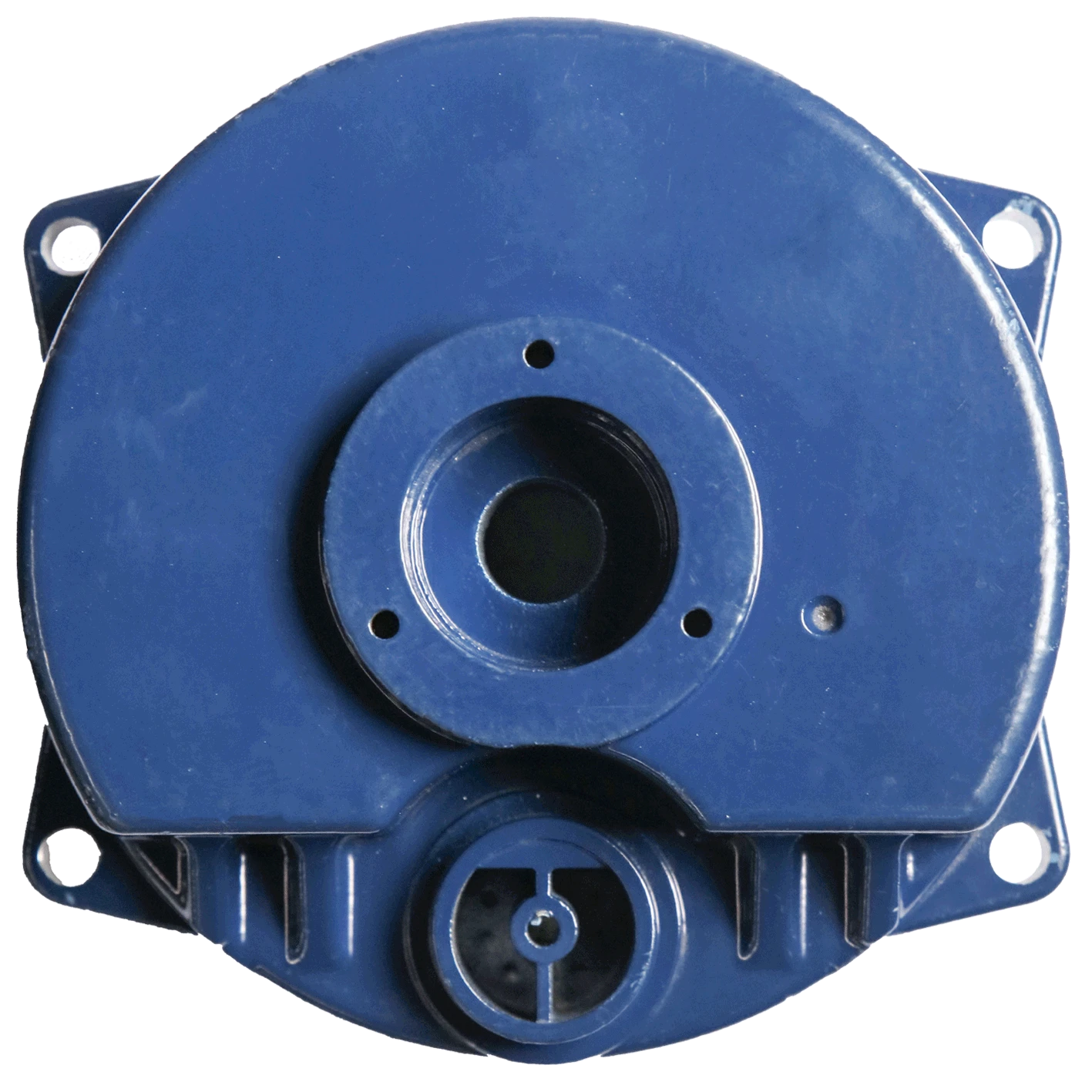
The global demand for efficient and durable pumping solutions has never been higher, and the Wasserpumpengehäuse has emerged as a critical component in achieving this goal. As a central element of pump design, the Wasserpumpengehäuse not only houses the impeller and other internal components but also provides structural stability, controls fluid flow, and protects the pump from environmental and operational stress. Recent innovations in materials, design, and manufacturing processes have transformed the role of the Wasserpumpengehäuse, making modern pumps more efficient, reliable, and cost-effective across industries.
In this article, we explore the latest advancements in Wasserpumpengehäuse technology, its applications across industrial and municipal systems, and the factors driving growth and innovation in this essential segment of the pumping industry.
Material Advancements in Water Pump Casing
The material used in a Wasserpumpengehäuse has a direct impact on its durability, corrosion resistance, and operational efficiency. Historically, most pump casings were manufactured from cast iron due to its strength, affordability, and ease of production. However, cast iron is prone to corrosion in aggressive environments, which can limit the lifespan of the Wasserpumpengehäuse in chemical processing plants, wastewater treatment facilities, and coastal applications.
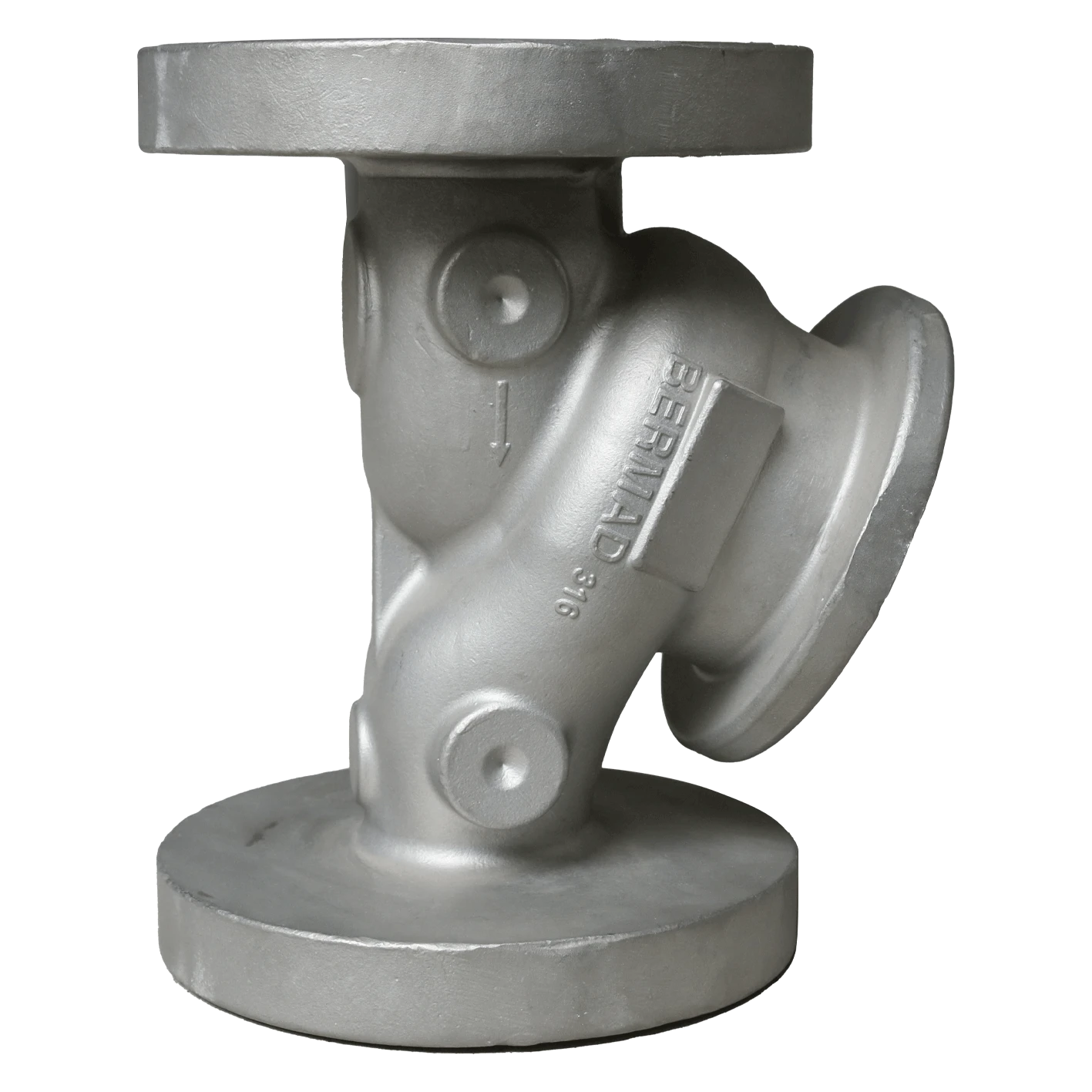
Recent innovations have introduced high-performance materials such as stainless steel, duplex alloys, and even composite polymers for Wasserpumpengehäuse production. Stainless steel casings provide excellent resistance to corrosion, chemical attack, and high temperatures, making them ideal for chemical, petrochemical, and industrial fluid applications. Duplex alloys, with their combination of strength and corrosion resistance, extend the service life of Wasserpumpengehäuse in high-pressure and high-temperature systems.
Moreover, composite materials are becoming increasingly popular for lightweight Wasserpumpengehäuse designs, particularly in mobile or portable pump applications. These materials offer the dual benefit of reducing pump weight while maintaining structural integrity, thereby improving efficiency and reducing operational costs. Advanced coatings and surface treatments further enhance the resistance of the Wasserpumpengehäuse against abrasion, cavitation, and chemical exposure, ensuring reliable performance over prolonged periods.
Design and Engineering Innovations in Water Pump Casing
Beyond materials, engineering and design improvements have significantly enhanced the performance and functionality of Wasserpumpengehäuse. Computational fluid dynamics (CFD) and 3D modeling have enabled engineers to optimize internal flow paths, minimize turbulence, and reduce energy loss, directly improving pump efficiency. These techniques allow for the creation of Wasserpumpengehäuse designs that maximize hydraulic efficiency while reducing operational noise and vibration.
Modular and split Wasserpumpengehäuse designs have also gained traction in industrial applications. Split casings allow for easy access to internal components like the impeller, shaft, and bearings without dismantling the entire pump. This modularity facilitates maintenance, reduces downtime, and lowers service costs, which is especially valuable in large-scale industrial plants where pump availability is critical.
Additionally, modern Wasserpumpengehäuse designs focus on enhanced sealing and pressure management. Innovations such as double-seal arrangements, integrated wear rings, and optimized volute geometries ensure that the casing maintains tight tolerances under extreme operating conditions. These design features prevent fluid leakage, reduce mechanical wear, and increase the overall lifespan of the pump system.
High-performance Wasserpumpengehäuse is now being integrated into specialized applications, including submersible pumps, vertical turbine pumps, and centrifugal pumps for wastewater, irrigation, and power generation. Each design variation is tailored to the operational needs of the application, ensuring that the casing supports optimal performance under specific flow rates, pressures, and fluid characteristics.
Applications and Industry Impact of Water Pump Casing
The use of advanced Wasserpumpengehäuse spans multiple sectors, reflecting its critical role in maintaining reliable fluid systems.
Municipal Water Supply and Wastewater Treatment
In municipal water systems, Wasserpumpengehäuse ensures consistent water flow, pressure regulation, and durability under continuous operation. Modern treatment plants rely on casings made from corrosion-resistant materials to handle chemically treated water and prevent contamination. Wastewater systems also benefit from robust Wasserpumpengehäuse that can withstand abrasive slurries, solids, and highly variable pressures without failure.
Industrial and Manufacturing Applications
Industries such as chemical processing, petrochemical, power generation, and mining depend heavily on reliable Wasserpumpengehäuse. Pumps in these sectors handle aggressive chemicals, high temperatures, and abrasive fluids. High-quality casings reduce the risk of downtime, improve energy efficiency, and lower maintenance costs, ultimately supporting uninterrupted operations.
Agricultural and Irrigation Systems
In agriculture, Wasserpumpengehäuse plays a critical role in irrigation and water management. Pumps with durable, corrosion-resistant casings deliver water efficiently to fields and greenhouses. Improved casing designs help maintain consistent flow rates and withstand the demands of long-term outdoor use, even in harsh environmental conditions.
Energy and Power Plants
Power generation facilities, including thermal and hydroelectric plants, require pumps with high-performance Wasserpumpengehäuse to circulate cooling water, process fluids, and maintain system reliability. Casings designed for high pressure and temperature environments enhance pump efficiency and ensure operational safety in critical energy infrastructure.
Market Trends and Future Outlook
The global market for Wasserpumpengehäuse is expanding due to increasing demand for energy-efficient, durable, and low-maintenance pumping solutions. Factors driving growth include urbanization, infrastructure development, industrial expansion, and the adoption of advanced materials and manufacturing techniques.
As industries continue to prioritize sustainability and operational efficiency, manufacturers are investing in innovative Wasserpumpengehäuse designs that reduce energy consumption and maintenance requirements. Integration of smart technologies, sensors, and predictive maintenance systems into pumps is also shaping the future of casing design, allowing real-time monitoring of pressure, flow, and wear conditions.
In addition, regulatory standards for water management, environmental compliance, and industrial safety are encouraging the adoption of high-quality Wasserpumpengehäuse that meets rigorous durability, corrosion, and performance requirements.
Der Wasserpumpengehäuse remains a cornerstone of modern pumping technology, with advances in materials, design, and engineering transforming industrial, municipal, and agricultural applications. From stainless steel and composite materials to modular designs and optimized flow paths, innovations in Wasserpumpengehäuse improve efficiency, reliability, and longevity.
Industries worldwide benefit from high-performance casings that withstand extreme conditions, reduce maintenance costs, and support sustainable water and fluid management. As technology continues to evolve, the role of Wasserpumpengehäuse will remain critical in enabling reliable and efficient pumping solutions for a diverse range of applications.
-
Precision Valve Castings for Agricultural Irrigation and Fluid Control SystemsNachrichtMay.08,2026
-
Precision Impeller and Compressor Components for Agricultural MachineryNachrichtMay.08,2026
-
Essential Cast Components for Agricultural Machinery: Oil Management and Motor ProtectionNachrichtMay.08,2026
-
High-Performance Cast Components for Agricultural Machinery: From Cooling to Exhaust SystemsNachrichtMay.08,2026
-
Agricultural Valve Castings: Durable Flow Control Solutions for Farm Irrigation SystemsNachrichtMay.08,2026
-
High-Performance Agricultural Pump Components: Precision Castings for Reliable Farm OperationsNachrichtMay.08,2026