Handy, Mobiltelefon:+86-311-808-126-83
Email:info@ydcastings.com

Advanced Automotive Components: Enhancing Performance with Modern Engineering Solutions
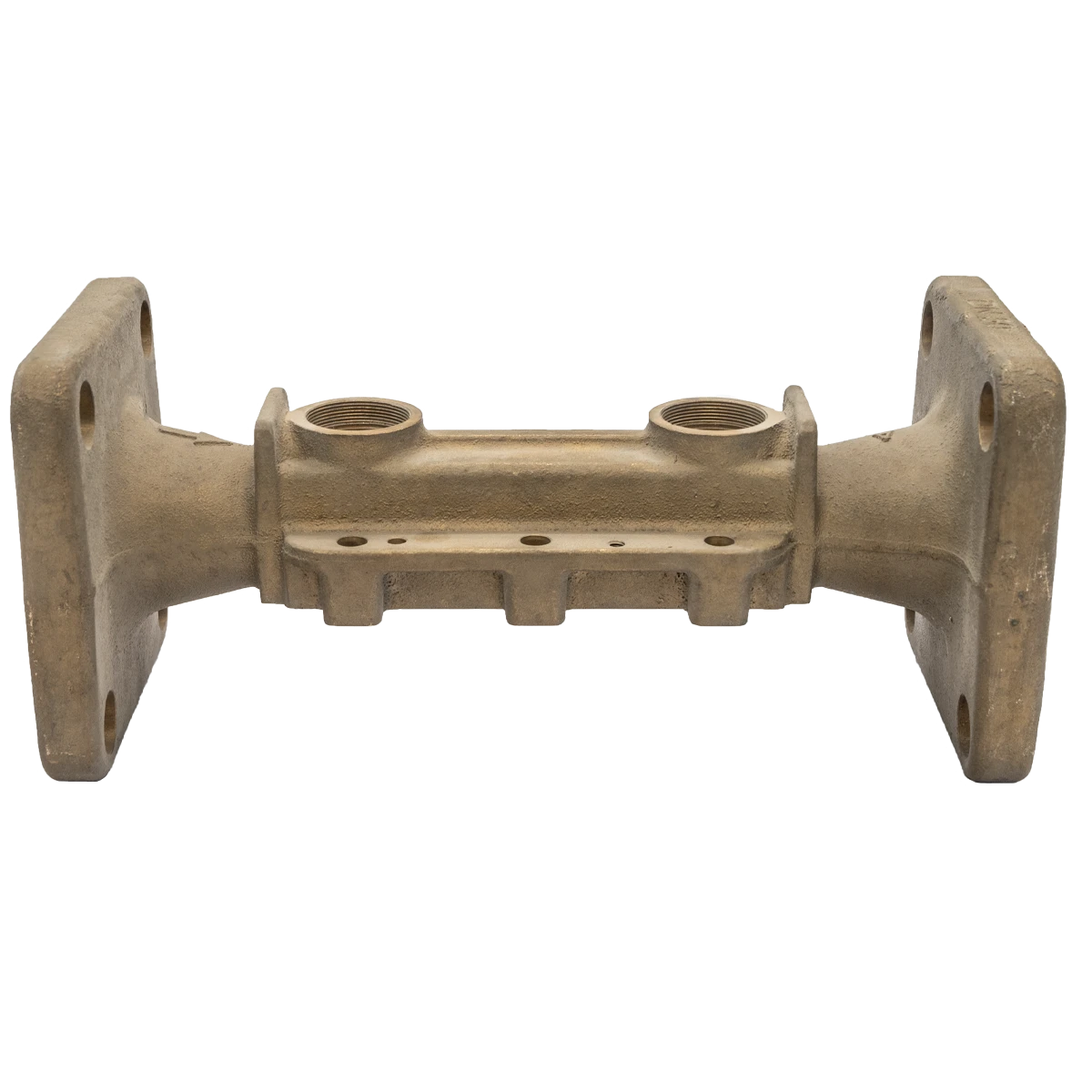
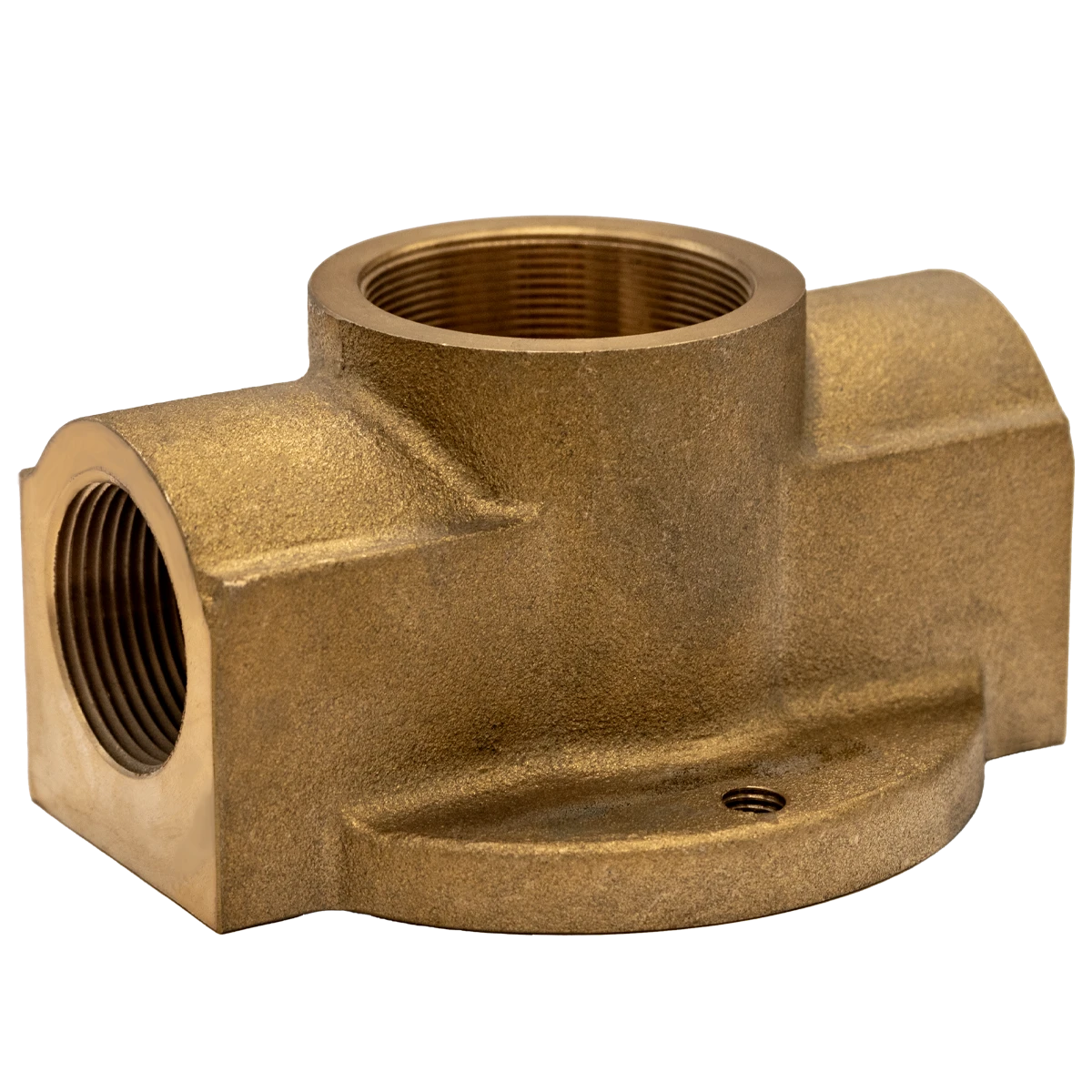
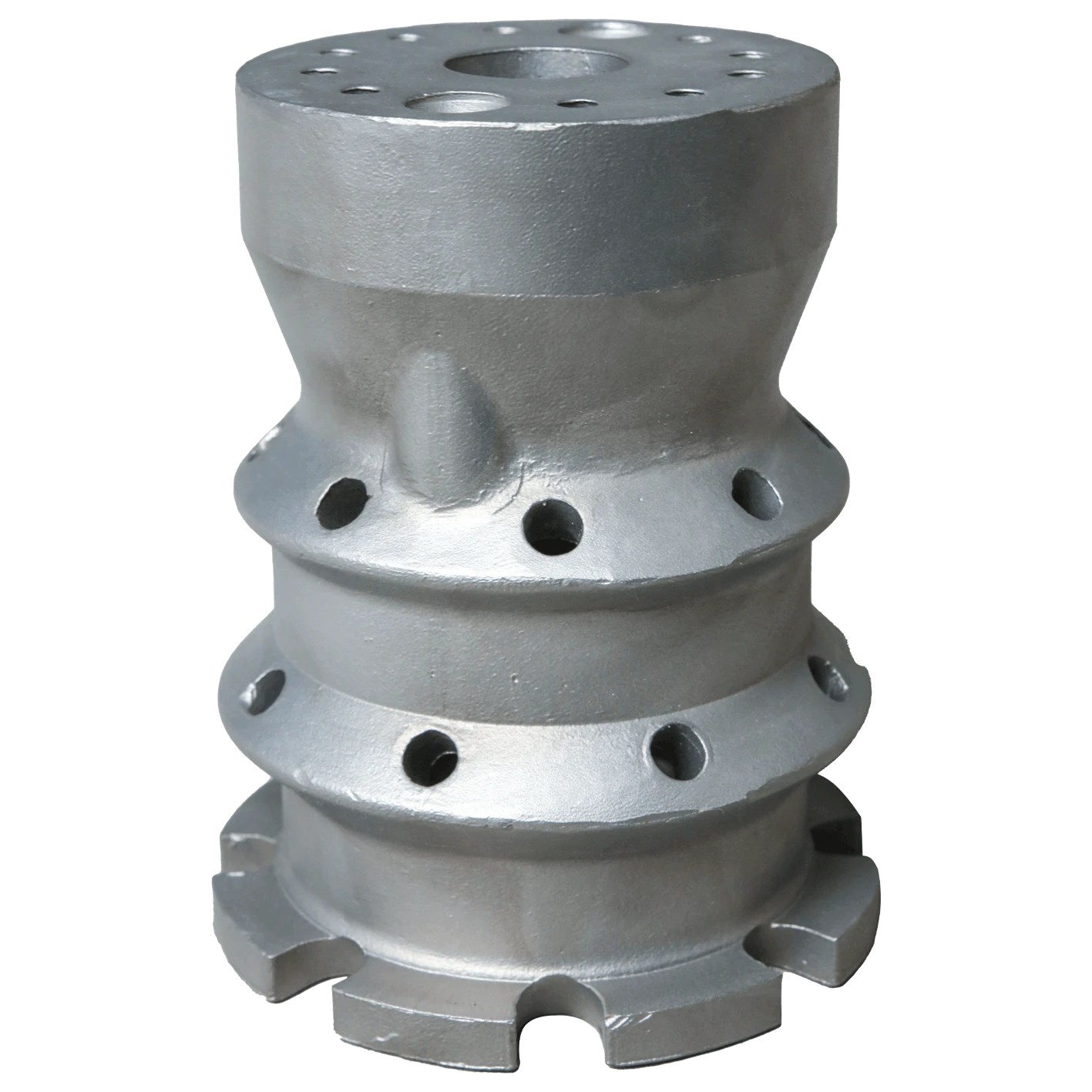
The automotive industry has undergone rapid transformation in recent years, driven by technological innovation, environmental regulations, and the demand for higher efficiency. At the heart of every vehicle lies a complex system of components working together seamlessly. Critical parts such as engine manifolds, automotive electric water pump, Und Getriebegehäuse are essential in ensuring optimal engine performance, thermal management, and drivetrain reliability.
This article explores the functions, materials, and evolving technologies behind these components, highlighting their importance in modern vehicles.
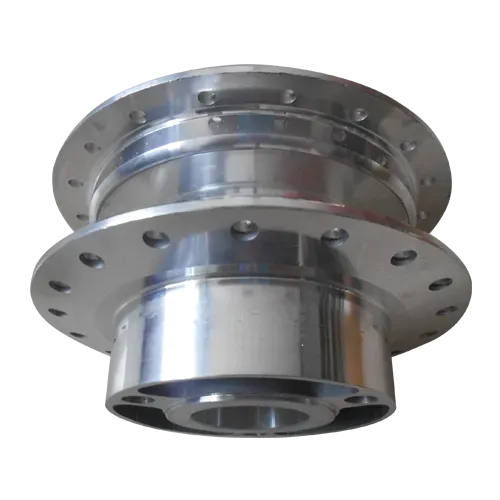
Engine Airflow and Exhaust Systems
Efficient airflow and exhaust management are fundamental to engine performance. Components like engine manifolds and engine exhaust pipe play a central role in controlling how air and gases move through the engine.
Engine Manifolds
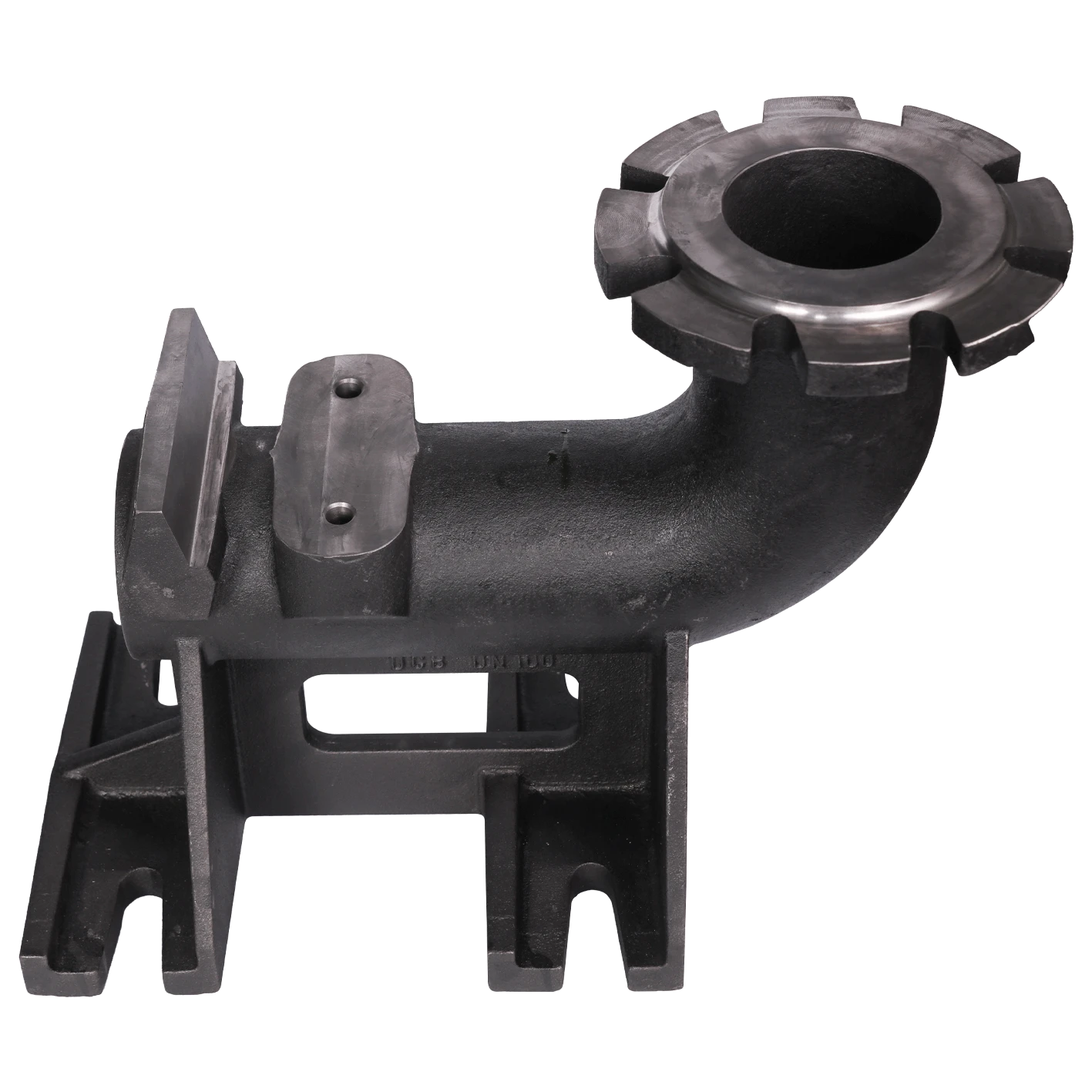
Engine manifolds are responsible for distributing air or fuel-air mixtures to the engine cylinders (intake manifold) and collecting exhaust gases from the cylinders (exhaust manifold). Their design significantly affects engine efficiency, power output, and emissions.
Key functions of engine manifolds include:
Ensuring even air distribution across cylinders
Optimizing combustion efficiency
Reducing energy loss
Supporting emission control systems
Modern manifolds are often made from aluminum or cast iron, depending on the application. Advanced designs may include variable geometry and integrated sensors to improve performance.
Motorauspuffrohr
Der engine exhaust pipe is another crucial component in the exhaust system. It channels exhaust gases away from the engine and directs them toward emission control devices such as catalytic converters and mufflers.
Important characteristics of a high-quality engine exhaust pipe include:
Resistance to high temperatures
Corrosion resistance
Efficient gas flow design
Durability under extreme conditions
A well-designed exhaust pipe not only improves engine efficiency but also reduces noise and harmful emissions, contributing to environmental sustainability.
Cooling Systems and Electric Water Pumps
Thermal management is critical for maintaining engine performance and preventing overheating. Traditional mechanical water pumps are increasingly being replaced by advanced electric alternatives.
Automotive Electric Water Pump
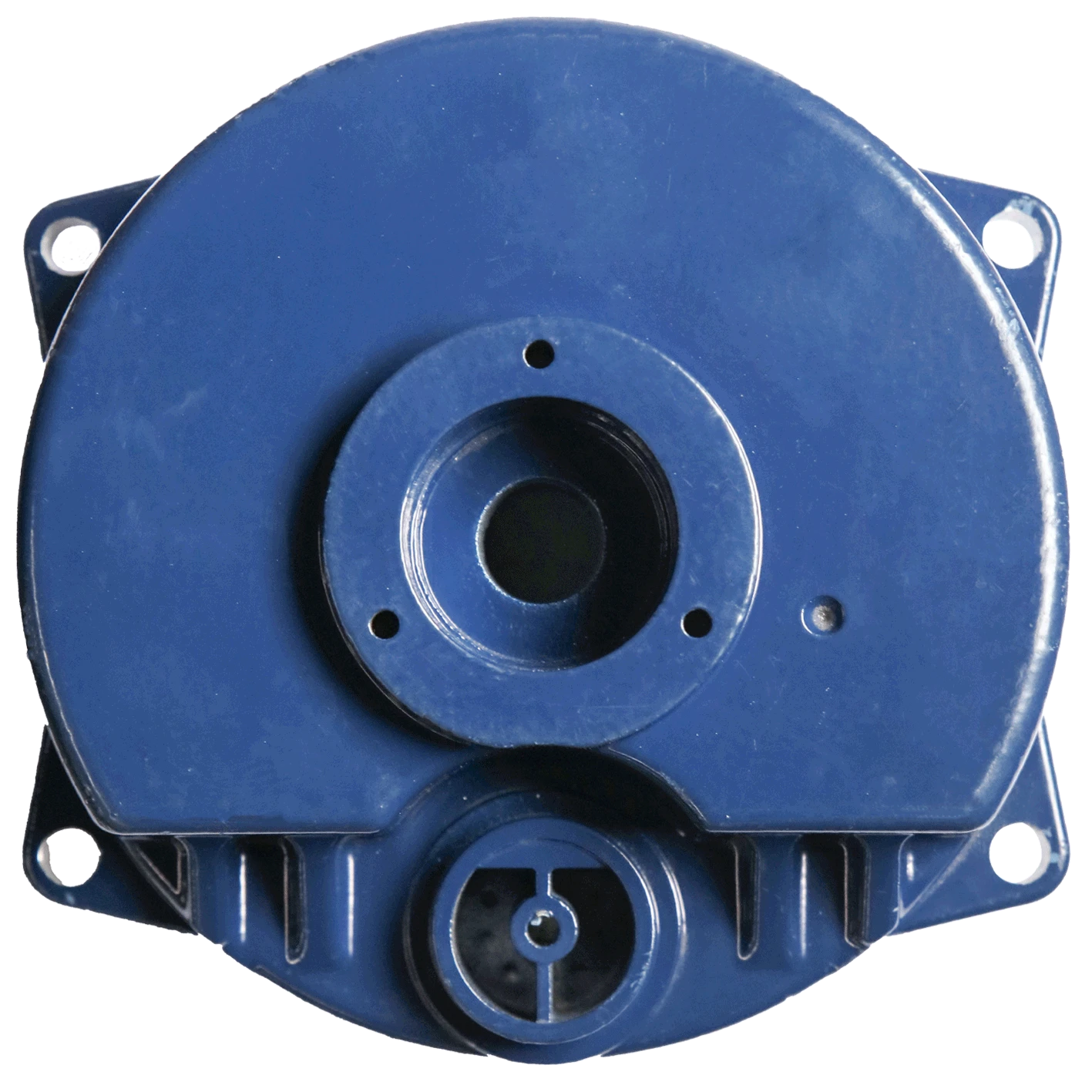
Der automotive electric water pump is a modern solution designed to regulate coolant flow independently of engine speed. Unlike conventional pumps, it operates using an electric motor, allowing precise control.
Benefits of an automotive electric water pump include:
Improved fuel efficiency
Reduced parasitic power loss
Better temperature control
Enhanced engine lifespan
These pumps are widely used in hybrid and electric vehicles, as well as in high-performance internal combustion engines.
Electric Water Pump for Car Applications
The term electric water pump for car broadly refers to electric coolant pumps used in passenger vehicles. These systems are designed to optimize cooling performance under varying driving conditions.
Advantages of an electric water pump for car:
On-demand operation based on temperature
Reduced engine load
Faster engine warm-up times
Compatibility with modern engine control units (ECUs)
Auto Electric Water Pump Innovations
Der auto electric water pump represents the next generation of cooling technology. Manufacturers are integrating smart features such as:
Variable speed control
Sensor-based operation
Integration with vehicle electronics
Energy-efficient designs
These innovations help vehicles meet stricter emission standards while improving overall performance.
Transmission and Structural Components
Beyond the engine and cooling system, structural components such as the Getriebegehäuse play a crucial role in ensuring vehicle durability and drivetrain efficiency.
Getriebegehäuse
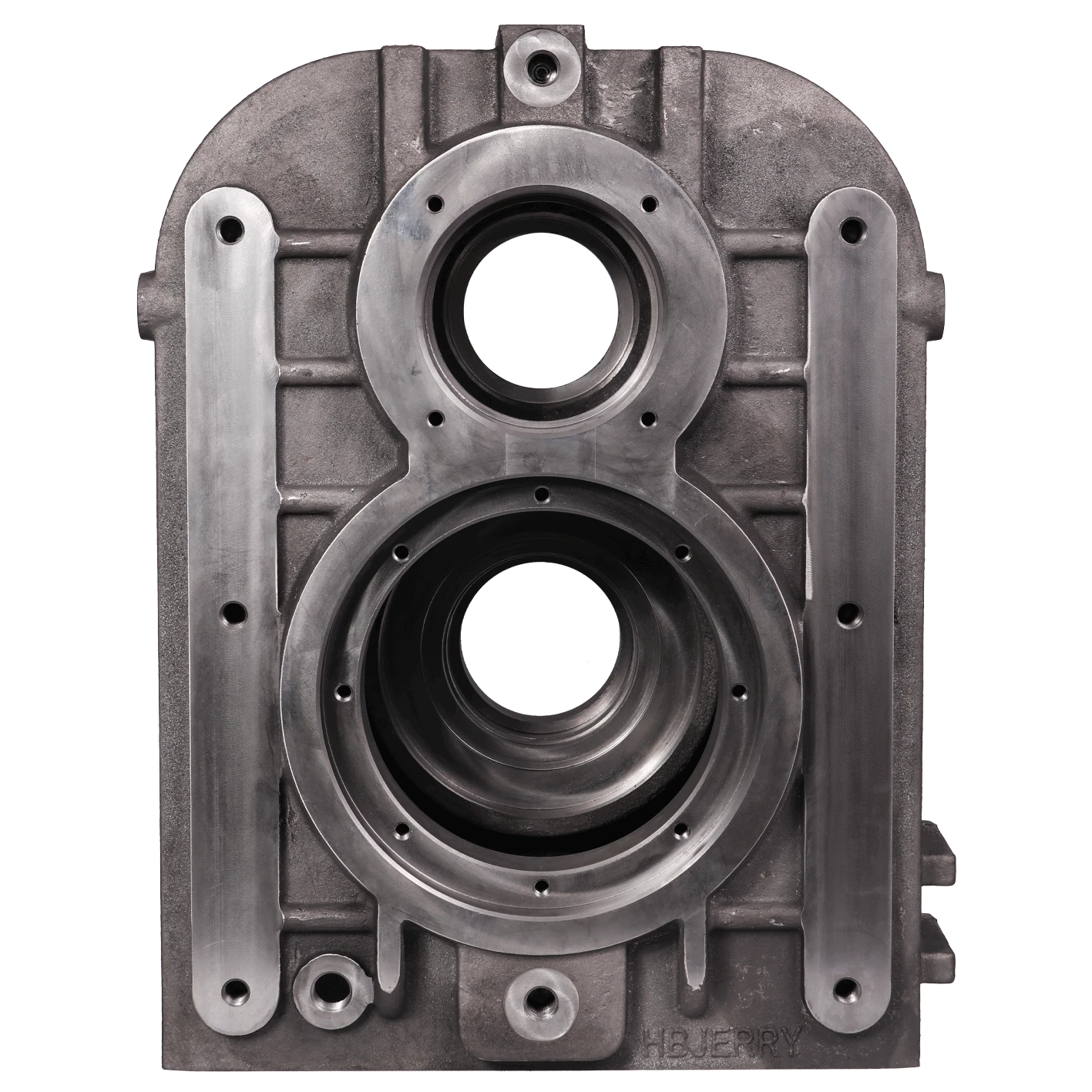
Der Getriebegehäuse encloses and protects the transmission system, including gears, shafts, and bearings. It is typically made from aluminum or cast iron, depending on the required strength and weight considerations.
Key functions of Getriebegehäuse include:
Providing structural support for internal components
Protecting against contaminants such as dust and debris
Maintaining lubrication within the transmission
Dissipating heat generated during operation
Modern gearbox housings are designed using advanced casting techniques to achieve lightweight construction without compromising strength.
Material Considerations
The choice of material for components like Getriebegehäuse and engine manifolds is critical:
Aluminum: Lightweight, corrosion-resistant, excellent heat dissipation
Cast Iron: High strength, durability, cost-effective for heavy-duty applications
Steel Alloys: Used in high-performance or specialized components
Engineers must balance weight, strength, and cost when selecting materials for automotive components.
Integration and Performance Optimization
Modern vehicles rely on the seamless integration of multiple systems. Components such as engine manifolds, automotive electric water pump, Und engine exhaust pipe must work together to achieve optimal performance.
System Efficiency
Efficient integration leads to:
Improved fuel economy
Reduced emissions
Enhanced engine performance
Lower maintenance requirements
For example, a well-designed auto electric water pump can reduce engine load, while optimized engine exhaust pipe design improves airflow and reduces back pressure.
Advanced Manufacturing Techniques
Technologies such as precision casting, CNC machining, and additive manufacturing are revolutionizing component production. These methods enable:
Higher accuracy and consistency
Complex geometries
Reduced material waste
Faster production cycles
Components like Getriebegehäuse and engine manifolds benefit significantly from these advancements.
Future Trends in Automotive Component Design
The automotive industry continues to evolve, and the components discussed in this article are at the forefront of innovation.
Electrification
As electric vehicles (EVs) become more prevalent, components like the automotive electric water pump and electric water pump for car are becoming standard. Thermal management systems are increasingly important for battery cooling and efficiency.
Lightweight Design
Reducing vehicle weight remains a top priority. Manufacturers are using advanced materials and design techniques to create lighter yet stronger components such as Getriebegehäuse.
Smart Systems
Integration with sensors and electronic control systems allows components like the auto electric water pump to operate more efficiently and adapt to real-time conditions.
Sustainability
Eco-friendly materials and manufacturing processes are gaining importance. Recycling and energy-efficient production methods are being widely adopted.
Automotive engineering relies on a complex network of components working together to deliver performance, efficiency, and reliability. Parts such as engine manifolds, engine exhaust pipe, automotive electric water pump, Und Getriebegehäuse are essential to modern vehicle design.
The evolution of technologies like the electric water pump for car and auto electric water pump highlights the industry's shift toward smarter, more efficient systems. By combining advanced materials, innovative design, and cutting-edge manufacturing processes, these components continue to drive progress in the automotive sector.
As the industry moves toward electrification and sustainability, the importance of these critical components will only continue to grow, shaping the future of transportation.
-
Precision Valve Castings for Agricultural Irrigation and Fluid Control SystemsNachrichtMay.08,2026
-
Precision Impeller and Compressor Components for Agricultural MachineryNachrichtMay.08,2026
-
Essential Cast Components for Agricultural Machinery: Oil Management and Motor ProtectionNachrichtMay.08,2026
-
High-Performance Cast Components for Agricultural Machinery: From Cooling to Exhaust SystemsNachrichtMay.08,2026
-
Agricultural Valve Castings: Durable Flow Control Solutions for Farm Irrigation SystemsNachrichtMay.08,2026
-
High-Performance Agricultural Pump Components: Precision Castings for Reliable Farm OperationsNachrichtMay.08,2026