
Local Context
Metal Casting Market in Cambodia
An analysis of the fluid handling component landscape and industrial needs in the region.
The industrial landscape in Cambodia is characterized by a growing demand for water management and agricultural irrigation systems. As the country develops its infrastructure, the reliance on heavy-duty pumps for drainage, flood control, and industrial processing has increased. However, the local manufacturing base for high-precision metal castings is limited, making the market heavily dependent on imported components. This creates a significant need for reliable partners who can provide customized, durable castings that withstand the local environmental stressors, particularly the high humidity and varying water purity levels common in the Mekong basin regions.
Current market trends show a shift toward higher-grade materials. Where cast iron was once the default for all pump parts, there is an increasing transition toward stainless steel and high-strength aluminum alloys to combat corrosion. This is driven by the expansion of the food processing and pharmaceutical industries in Cambodia, where hygiene and corrosion resistance are non-negotiable. Furthermore, there is a growing emphasis on energy efficiency; operators are moving away from "good enough" replacements toward precision-engineered components that reduce friction and electricity consumption, aligning with broader regional energy-saving goals.
The primary opportunity in the Cambodian market lies in the "custom-fit" segment. Many facilities operate legacy pump systems from various international brands, making the sourcing of exact replacement parts difficult. Companies that can provide reverse-engineered, high-precision castings—such as specialized impellers and pump casings—have a competitive advantage. The main constraint remains the logistics of importing heavy castings, which requires a supplier capable of balancing quality with optimized shipping and reliable delivery timelines to ensure that industrial operations in Phnom Penh and beyond are not stalled.
Industry Journey
The Evolution of Pump Casting Technology
From basic sand molds to precision investment casting, the path to high-efficiency fluid dynamics.
Early Stage
Conventional Sand Casting
Reliance on basic sand molds produced parts with rough surfaces and wide tolerances, requiring extensive manual machining and resulting in lower hydraulic efficiency.
Growth Phase
Material Diversification
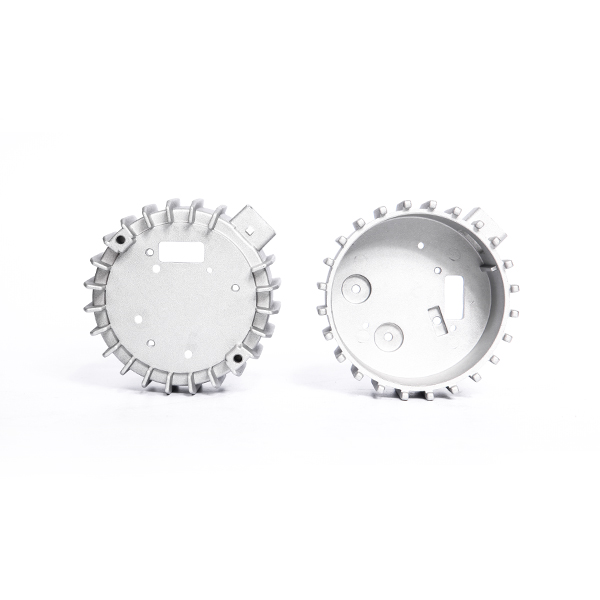
Introduction of aluminum die casting and stainless steel investment casting allowed for more complex geometries and superior corrosion resistance in critical pump zones.
Current Era
Precision Engineering
Integration of 3D modeling and advanced casting processes creates components with near-perfect hydraulic profiles, maximizing flow and minimizing energy loss.
Shift to Lost Wax Casting
The industry is moving toward investment casting (lost wax) for complex internals. This eliminates the need for excessive machining, reducing material waste and ensuring the internal vanes of an impeller are perfectly smooth for optimal fluid flow.
Lightweighting with Aluminum
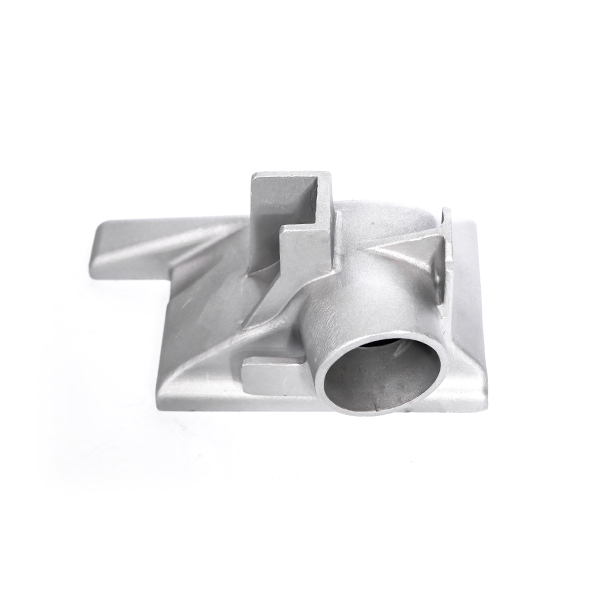
There is a notable trend in utilizing high-strength aluminum alloys for pump housings in portable or mobile water systems. This reduces the overall weight of the equipment without sacrificing structural integrity or pressure resistance.
Anti-Cavitation Design
Modern casting focuses on "computational fluid dynamics" (CFD) guided shapes. By altering the casting profile of the impeller, manufacturers can virtually eliminate cavitation bubbles that typically destroy pump internals.
Future Outlook
Key Trends in Industrial Metal Casting
Analyzing the technological and operational shifts shaping the next generation of pump components.
Additive Manufacturing Hybridization
The integration of 3D-printed sand cores with traditional casting allows for internal geometries that were previously impossible, enabling the creation of ultra-efficient, non-linear fluid paths.
Eco-Friendly Casting Processes
Industries are adopting "green" sand casting and recycled aluminum sources to reduce the carbon footprint of metal production, responding to global sustainability mandates and local environmental regulations.
Smart Component Monitoring
Designing cast parts with integrated sensor mounting points. This allows pump operators to monitor vibration and heat in real-time, moving from reactive to predictive maintenance for pumpe impeller units.
High-Performance Composite Coatings
The application of ceramic and epoxy coatings over cast metal surfaces is increasing. This hybrid approach provides the strength of metal with the extreme chemical resistance of composites.
The convergence of these trends points toward a future where "component-level intelligence" is the norm. Casting is no longer just about shaping metal; it is about optimizing the interface between a mechanical part and the fluid it moves. By utilizing CFD-validated designs during the casting phase, manufacturers can significantly reduce the energy required to move water, which is a critical factor for industrial operators in Cambodia facing fluctuating energy costs.
Furthermore, the shift toward "just-in-time" customized production is enabled by flexible supplier networks. Instead of stocking thousands of generic parts, the industry is moving toward an on-demand model where a precise digital twin of a worn-out part is used to cast a perfect replacement. This reduces inventory waste and ensures that the replacement part is optimized for the current wear patterns of the specific pump in use.
Real-World Application
Typical Deployment Scenarios in Cambodia
How customized castings solve specific fluid handling problems in local industries.
01
Agricultural Irrigation in Battambang
Large-scale rice farms often use centrifugal pumps to move silty water from canals. Standard impellers erode quickly due to the abrasive sand. By deploying a high-chromium cast iron water pump impeller, farmers can extend the time between maintenance cycles from 6 months to 2 years, ensuring stable irrigation during the dry season.
02
Food Processing Plants in Phnom Penh
Factories producing bottled beverages require pumps that meet strict sanitary standards. The use of investment-cast stainless steel 316 components ensures that no contaminants leach into the product. These precision-cast parts eliminate the crevices found in welded assemblies, making the system easier to sterilize and compliant with international food safety norms.
03
Industrial Wastewater Treatment in Sihanoukville
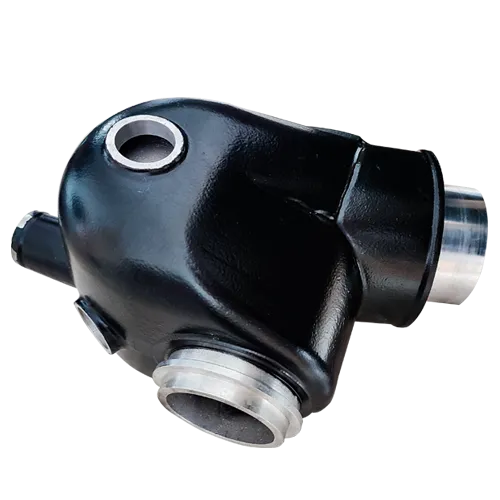
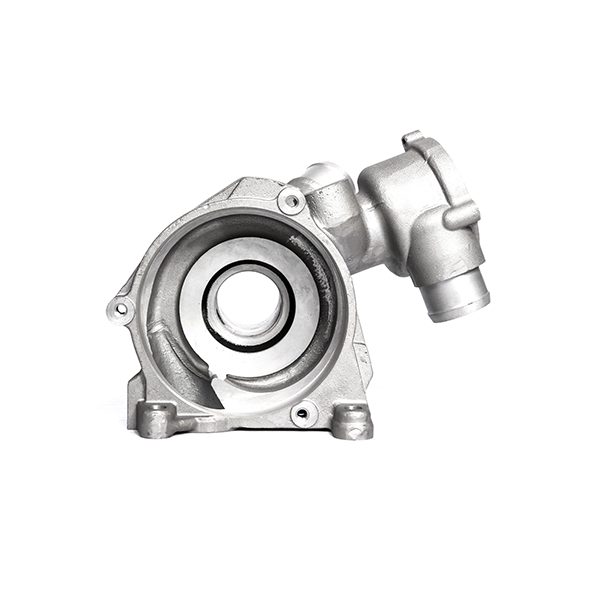
Treatment plants dealing with chemical runoff face extreme corrosion. Standard cast iron pumps fail rapidly. The implementation of specialized aluminum alloy casings and stainless steel impellers provides the necessary chemical resistance. This prevents frequent pump failures that would otherwise lead to environmental leaks into the coastal ecosystem.
04
Urban Drainage Systems in Municipal Areas
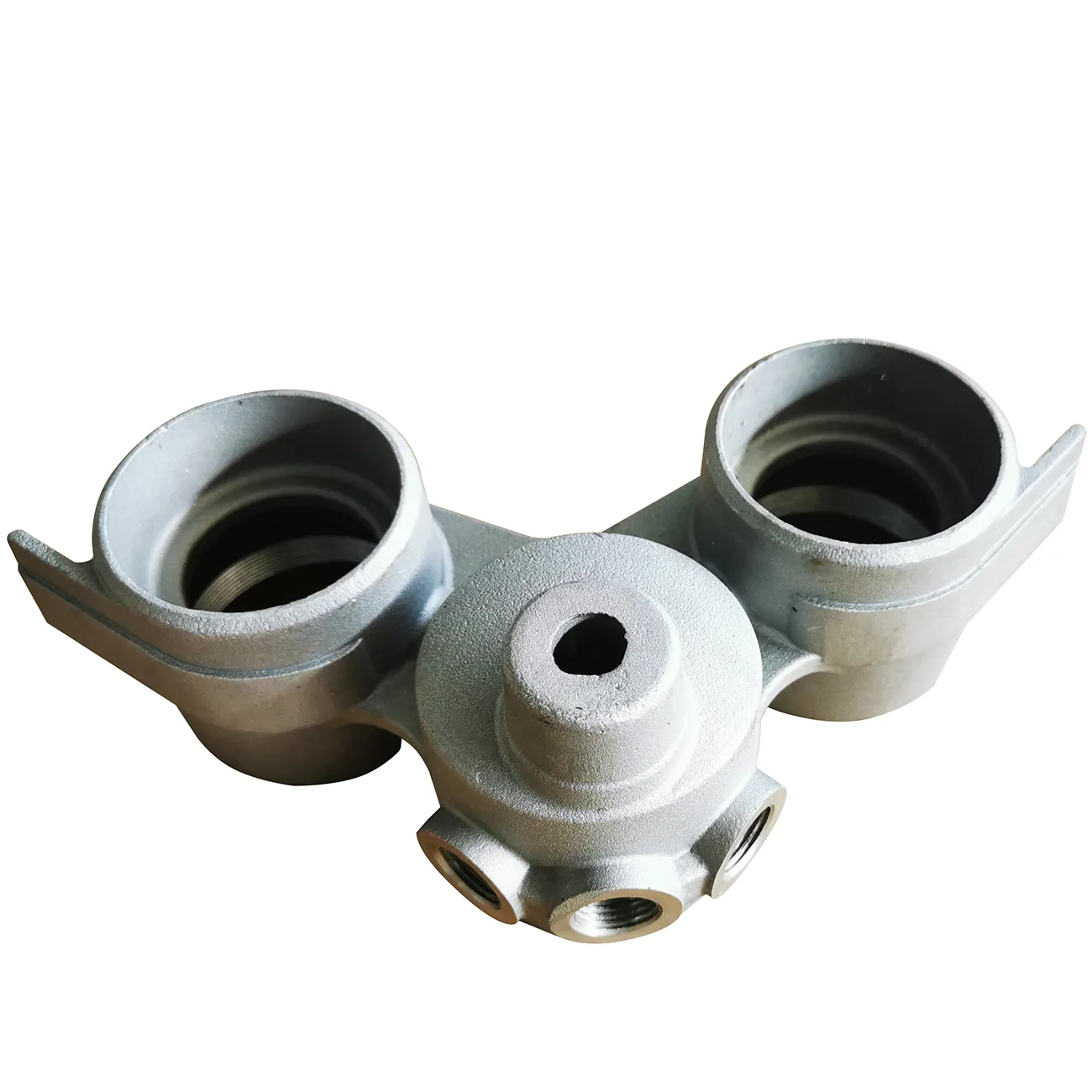
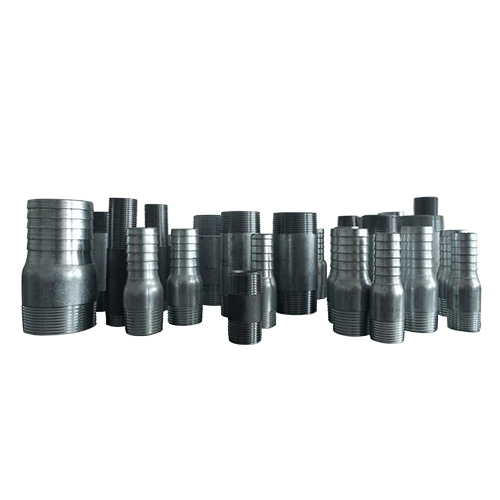
City pumps often handle "trashy" water containing debris. The use of heavy-duty, reinforced sand-cast iron cap ends and pump bodies provides the structural strength to resist impact from debris. This reduces the risk of casing rupture and lowers the emergency repair costs for municipal governments.
05
Textile Dyeing Facilities in Industrial Zones
The high temperature and acidity of dyeing vats require pumps with exceptional thermal stability. Precision-cast aluminum alloys offer the best weight-to-strength ratio and heat dissipation. By optimizing the impeller's balance, these facilities reduce pump vibration, which prevents seal leaks and maintains a safer working environment for operators.
Evidence of Performance
Representative Application Outcomes
Illustrative results from our global customized casting implementations.
The transition to custom-cast stainless steel impellers solved a chronic cavitation problem in our fluid handling system. The precision of the vanes significantly reduced vibration and energy consumption, proving that material quality and casting accuracy are the primary drivers of pump efficiency.
Sourcing replacement cast parts for legacy pumps is always a challenge. The ability to provide one-stop customized solutions—from the initial casting to final machining—reduced our procurement cycle and ensured that the new parts fit perfectly without any onsite modification.
In environments with high sediment, the durability of the impeller is the only thing that prevents weekly downtime. Switching to specialized wear-resistant cast iron has dramatically increased our uptime and reduced the overall cost per cubic meter of water pumped.
Our Heritage
Hebei Yuanda Trade Co., Ltd.
Dedicated to providing flexible, high-quality customized metal casting solutions for global industrial needs.
2006
Company Foundation
Hebei Yuanda Trade Co., Ltd. (YD) was founded with a core mission to provide flexible and high-quality customized metal casting solutions, filling the gap for reliable industrial parts in the global market.
Development Years
Resource Network Expansion
Over nearly two decades, YD built a massive foundry resource network in North China, partnering with over 50 suppliers to offer a comprehensive range of materials including cast iron, aluminum, and stainless steel.
Present
Global Brand Positioning
Today, YD serves customers in over 15 countries, including America, Germany, and England, establishing itself as a professional brand for industrial customized parts with a dedicated team of mechanical and QC engineers.
Common Inquiries
Expert Guide to Pump Casting Selection
Technical answers to help you choose the right materials and processes for your application.
What is the best material for a water pump impeller handling abrasive fluids?
For abrasive fluids, high-chromium cast iron or stainless steel 316 are the most effective choices. High-chromium iron provides extreme hardness to resist erosion, while stainless steel 316 offers a balance of hardness and corrosion resistance. The choice depends on whether the fluid is primarily abrasive (sand/grit) or corrosive (chemicals). We recommend a material analysis based on the fluid's pH and sediment load to ensure maximum longevity.
How does investment casting differ from sand casting for pump parts?
Investment casting (lost wax) produces parts with significantly higher dimensional accuracy and a much smoother surface finish than sand casting. For a pump impeller, this means less turbulence and higher hydraulic efficiency. Sand casting is better suited for larger, heavier components like pump casings where extreme precision on internal surfaces is less critical and cost-efficiency for large volumes is a priority.
Can you manufacture custom impellers based on a worn-out sample?
Yes, we specialize in customized solutions. We can use a worn-out sample to reverse-engineer the original dimensions and optimize the geometry for better performance. Our engineers use precision measurement tools to create a digital twin, which is then used to produce a new casting. This process is ideal for legacy equipment where original manufacturer drawings are no longer available.
What factors influence the cost of custom metal castings for the Cambodian market?
The primary cost drivers are material selection (stainless steel is more expensive than cast iron), the complexity of the geometry (investment casting costs more than sand casting), and the required tolerance levels. For customers in Cambodia, shipping costs and batch sizes also play a role. We help reduce costs by optimizing the design for the chosen casting process and consolidating shipments of various pump parts.
The primary cost drivers are material selection (stainless steel is more expensive than cast iron), the complexity of the geometry (investment casting costs more than sand casting), and the required tolerance levels. For customers in Cambodia, shipping costs and batch sizes also play a role. We help reduce costs by optimizing the design for the chosen casting process and consolidating shipments of various pump parts.
How do I ensure the new impeller is perfectly balanced to avoid vibration?
Balancing is achieved through a combination of precision casting and CNC finishing. We ensure the casting is uniform in density and use precise machining to remove excess material from the hub and vanes. For high-speed pumps, we recommend a final dynamic balancing check. Proper balancing prevents premature bearing failure and extends the overall life of the pump motor and shaft.
What is the typical lead time for a customized pump part order to Cambodia?
Lead times vary based on the process: sand casting is generally faster for large parts, while investment casting requires more time for mold creation. Typically, production takes several weeks, followed by international shipping to Cambodia. To minimize downtime, we recommend auditing your critical pump components annually and ordering replacements based on predicted wear patterns rather than waiting for failure.
Ready to Optimize
Upgrade Your Pump Performance with Precision Castings
Whether you are managing municipal water systems in Phnom Penh or agricultural projects in the provinces, our customized metal casting solutions reduce your operational costs and downtime. Contact our engineering team today to discuss your specific material requirements and technical drawings for high-performance impellers in Cambodia.
Discuss Your Requirements

