
Local Insights
Egypt's Industrial Casting Market
Analyzing the demand for high-precision pump components in the North African industrial landscape.
The Egyptian industrial sector, particularly in water management and chemical processing, relies heavily on robust pump systems. Given the country's geographic reliance on the Nile and extensive irrigation networks, the demand for high-quality impeller on pump components is constant. However, the local market often struggles with the gap between low-cost, low-durability castings and prohibitively expensive European imports, creating a significant opportunity for flexible, high-quality OEM solutions from experienced casting hubs.
Current market trends in Egypt show a shift toward energy-efficient pumping systems. This transition requires more precise hydraulic geometries in pump impellers to reduce turbulence and power consumption. Consequently, there is an increasing preference for investment casting and precision die casting over traditional sand casting for critical internal components. Egyptian operators are now prioritizing materials with higher corrosion resistance, such as 316 stainless steel, to extend the lifecycle of equipment used in saline or chemically aggressive environments.
Despite the growth, constraints remain in the form of supply chain volatility and the need for rapid prototyping. The outlook for the Egyptian market suggests a growing reliance on "one-stop" partners who can handle multiple materials—cast iron, aluminum, and steel—under a single quality management system. Companies that can provide verified dimensional accuracy and on-time delivery will likely capture a larger share of the infrastructure upgrade projects currently underway across the Suez Canal and Cairo industrial zones.
Industry Progress
The Evolution of Pump Component Casting
From basic sand molds to advanced precision engineering.
Early Phase
Traditional Sand Casting
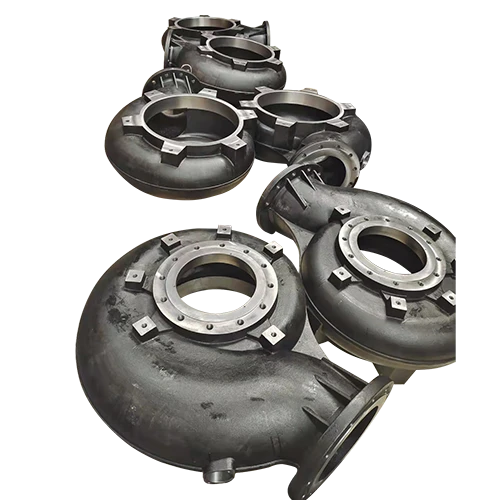
Reliance on basic sand molds for large cast iron pump parts, resulting in rough surfaces and significant machining requirements for the final product.
Growth Phase
Material Diversification
Adoption of aluminum die casting and stainless steel investment casting to improve weight-to-strength ratios and corrosion resistance in pump impellers.
Modern Phase
Precision Optimization
Integration of CNC machining with lost-foam and precision casting to achieve ultra-tight tolerances for high-efficiency fluid dynamics.
Hydraulic Geometry Refinement
Modern casting focuses on reducing the surface roughness of the impeller vanes. By moving from sand to investment casting, operators see a direct increase in pump efficiency and a decrease in noise and vibration.
Advanced Alloy Integration
The shift toward duplex stainless steels and specialized aluminum alloys allows pump components to operate in higher pressure and more corrosive environments without losing structural integrity.
Digital Mold Validation
The use of simulation software before the actual pour ensures that complex internal channels of a pump housing are cast without porosity, drastically reducing the scrap rate and lead times.
Future Outlook
Trends Shaping Metal Casting
The convergence of material science and precision engineering is redefining industrial pump components.
Additive-Assisted Casting
3D printing of wax patterns is replacing traditional tooling for complex impellers, allowing for rapid iteration of hydraulic designs and reduced time-to-market.
Lightweighting with Aluminum
Replacing heavy cast iron housings with high-strength aluminum alloys in specific pump applications reduces total equipment weight and installation costs without compromising pressure ratings.
Surface Treatment Integration
Combining precision casting with advanced coatings (ceramic or epoxy) is becoming standard for impellers handling highly corrosive wastewater in industrial zones.
Modular Component Design
Design shifts toward interchangeable casting parts allow operators to replace only the worn impeller or cap end rather than the entire pump assembly, reducing long-term O&M costs.
The broader trend in metal casting is a move toward "smart" casting, where the material properties are optimized for the specific fluid dynamics of the application. In the context of Egypt's water infrastructure, this means utilizing materials that can withstand the specific salinity and particulate levels of local water sources, which differs significantly from European or American standards.
Furthermore, the integration of tighter quality control systems, such as X-ray and ultrasonic testing for internal porosity, is becoming a prerequisite for critical pump parts. This ensures that high-pressure pump impellers do not fail catastrophically under load, providing a layer of operational safety that is increasingly demanded by Egyptian industrial insurance and regulatory bodies.
Applications
Real-World Casting Applications in Egypt
How customized metal parts solve specific operational challenges across different sectors.
01
Agricultural Irrigation Pumps in Delta Region
In the Nile Delta, pumps frequently handle water with high silt content. Traditional cast iron impellers erode quickly. By implementing stainless steel investment casting for the impeller, these operators reduce the frequency of part replacement from annually to every three years, significantly lowering maintenance downtime during critical planting seasons.
02
Industrial Cooling Systems in Cairo Industrial Zones
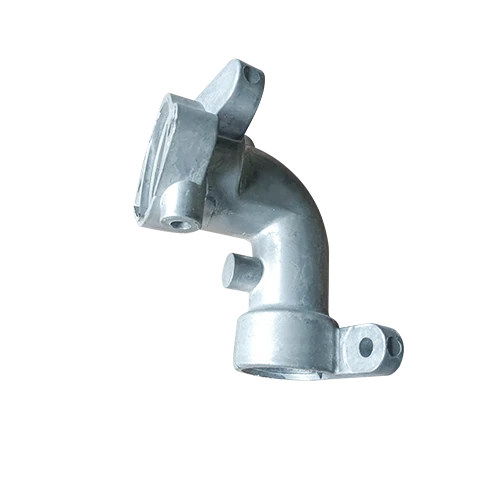
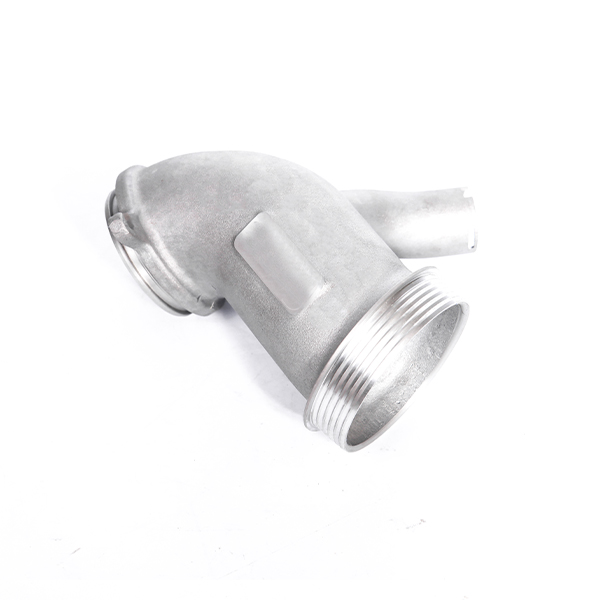
Cooling towers in urban industrial zones often use aluminum alloy pump casings to reduce weight and improve heat dissipation. Using high-precision die casting for these housings ensures a perfect seal with cap ends, preventing coolant leaks and maintaining the thermal efficiency of the cooling loop in high-ambient-temperature environments.
03
Wastewater Treatment Plants in Alexandria
Pumps dealing with saline wastewater in coastal cities face extreme corrosion. The solution involves using 316 stainless steel for the pumpe impeller. This material choice, combined with precision casting to eliminate surface pits where corrosion can start, extends the operational life of the pump in salt-heavy environments.
04
Chemical Processing Plants in Suez Canal Zone
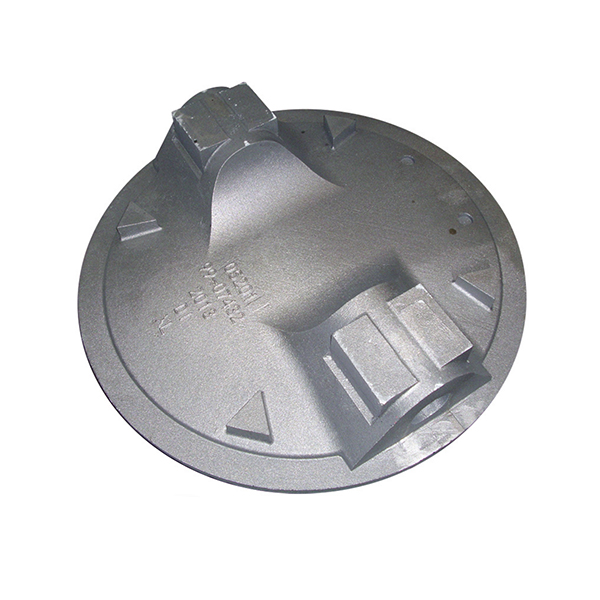
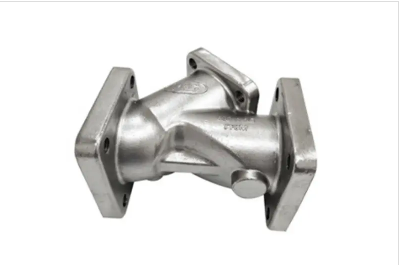
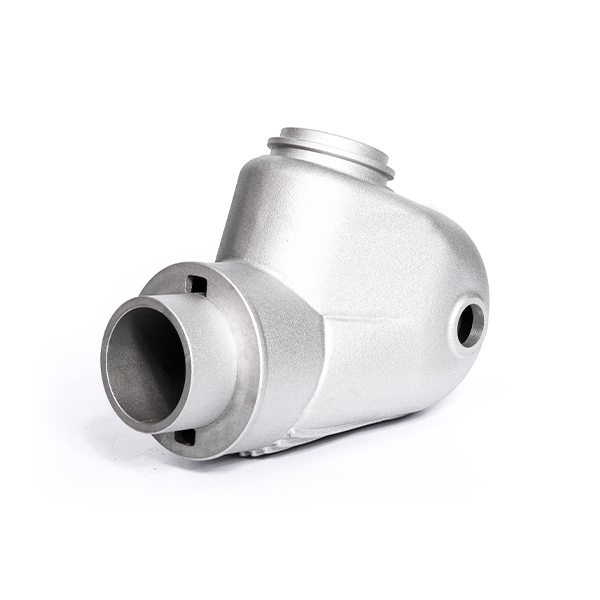
Chemical pumps require absolute dimensional accuracy to prevent hazardous leaks. Precision-cast cap ends and valve bodies ensure that the pump maintains a hermetic seal under high pressure. The use of specialized alloy castings ensures that the components do not react with the aggressive chemicals being transported.
05
Legacy Pump Restoration for State Utilities
Many state-run utility plants operate legacy pumps with unavailable spare parts. By using reverse engineering and sand casting to create a custom water pump impeller based on the old worn part, utilities can restore critical infrastructure without the cost of replacing the entire pump system.
Proven Value
Representative Deployment Scenarios
Illustrating how our casting solutions provide tangible benefits to industrial operators.
Replacing standard cast iron impellers with high-grade stainless steel investment castings significantly reduced our downtime in high-silt water applications. The precision of the parts meant that installation was seamless, and we saw an immediate improvement in pump flow efficiency.
The ability to source custom aluminum die-cast housings that fit our legacy pump designs has saved us from replacing entire systems. The dimensional accuracy of the cap ends eliminated the seal leakages we had been struggling with for years.
Working with a partner who can provide a one-stop solution for different materials—from heavy cast iron to precision stainless steel—has reduced our procurement overhead and ensured consistent quality across all our pump components.
About Us
Hebei Yuanda Trade Co., Ltd.
A professional brand dedicated to industrial customized metal parts services.
2006
Company Foundation
Hebei Yuanda Trade Co., Ltd. (YD) was founded with a commitment to providing flexible solutions for customized metal castings, focusing on meeting the diverse needs of global industrial clients.
Growth Phase
Resource Expansion
YD expanded its influence by building a massive foundry resource network in Northern China, enabling the supply of a wide range of materials including cast iron, aluminum, and stainless steel through various processes.
Present
Global Service Brand
Having earned the trust of customers from over 15 countries, including America, Germany, and England, YD now operates as a professional brand for industrial customized parts, supported by an expert team of mechanical and material engineers.
Expert Advice
Common Questions on Pump Casting
Technical clarifications to help you choose the right materials and processes for your application.
What is the primary difference between sand casting and investment casting for a pump impeller?
Sand casting is typically used for larger, heavier components where rougher tolerances are acceptable, making it cost-effective for large housings. Investment casting (lost wax) produces components with far superior surface finish and dimensional precision, which is critical for impellers to maintain hydraulic efficiency and reduce vibration. For high-performance pumps, investment casting is generally preferred to minimize post-casting machining.
Which material is best for water pump impellers in corrosive or saline environments?
For corrosive or saline environments, stainless steel (specifically 316 grade) is the most recommended material due to its excellent resistance to pitting and oxidation. If the application involves high abrasion but lower corrosion, specialized high-chrome cast irons can be an alternative. The choice depends on the fluid's pH level and the presence of abrasive particles; for most Egyptian coastal applications, 316 stainless steel provides the best longevity.
Can you manufacture replacement impellers for legacy pumps without original drawings?
Yes, we can produce replacement parts through reverse engineering. By using the original worn part as a physical sample, our engineering team can create a digital 3D model, correcting for wear and erosion to restore the original design specifications. Once the model is validated, we produce the casting using the most appropriate process (sand, investment, or die casting) to ensure a perfect fit with your existing pump assembly.
How do I ensure the dimensional accuracy of customized cap ends and valve bodies?
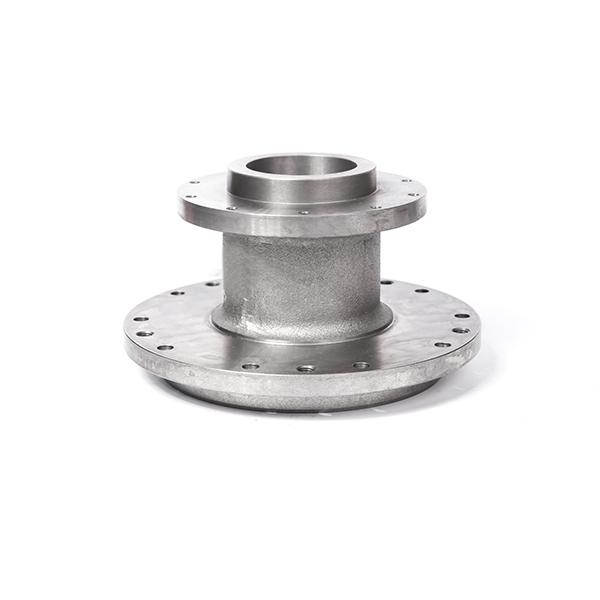
We ensure accuracy through a combination of precision molding and strict QC checks. By utilizing die casting or investment casting, we minimize shrinkage and warping. Every critical dimension is verified against the technical drawing using precision measuring instruments. For high-tolerance areas like seal seats or flange faces, we include machining allowances in the casting and perform final CNC machining to reach the exact required tolerance.
What factors influence the lead time for custom metal castings shipped to Egypt?
Lead time is primarily influenced by the complexity of the mold (tooling time), the casting process chosen, and the required post-processing (such as heat treatment or CNC machining). Investment casting generally takes longer for tooling but saves time in machining. We optimize this by leveraging our extensive supplier network in North China to find the most efficient production route for your specific part, ensuring the fastest possible delivery to the Egyptian port.
How should I choose between aluminum and cast iron for my pump housing?
The choice depends on the application's requirements for weight, strength, and environment. Cast iron is ideal for heavy-duty, high-pressure applications where vibration damping and absolute rigidity are required. Aluminum is preferred when weight reduction is critical or when the housing needs better corrosion resistance and thermal conductivity. If the pump is stationary and handles extreme loads, cast iron is the standard; for portable or high-efficiency systems, aluminum is often superior.
Ready to Optimize
Secure High-Precision Pump Components for Your Egyptian Operations
Whether you are upgrading water infrastructure in the Nile Delta or maintaining chemical plants in the Suez Canal zone, Hebei Yuanda provides the material expertise and precision casting needed to eliminate downtime. Discuss your specific technical requirements with our engineers to reduce procurement costs and enhance equipment reliability across Egypt.
Discuss Your Requirements

